















At Vaer, our design language often draws on American military history. We have interpreted WWII field references, Korean War–era tool watches, and mid-century divers that defined the golden age of utilitarian watchmaking. Vietnam, however, has always presented a more complex design challenge for us. Not because the era lacks iconic watches (it does not), but because we have not felt confident that we could build something that properly honored both the historical period and the broader cultural weight surrounding it.
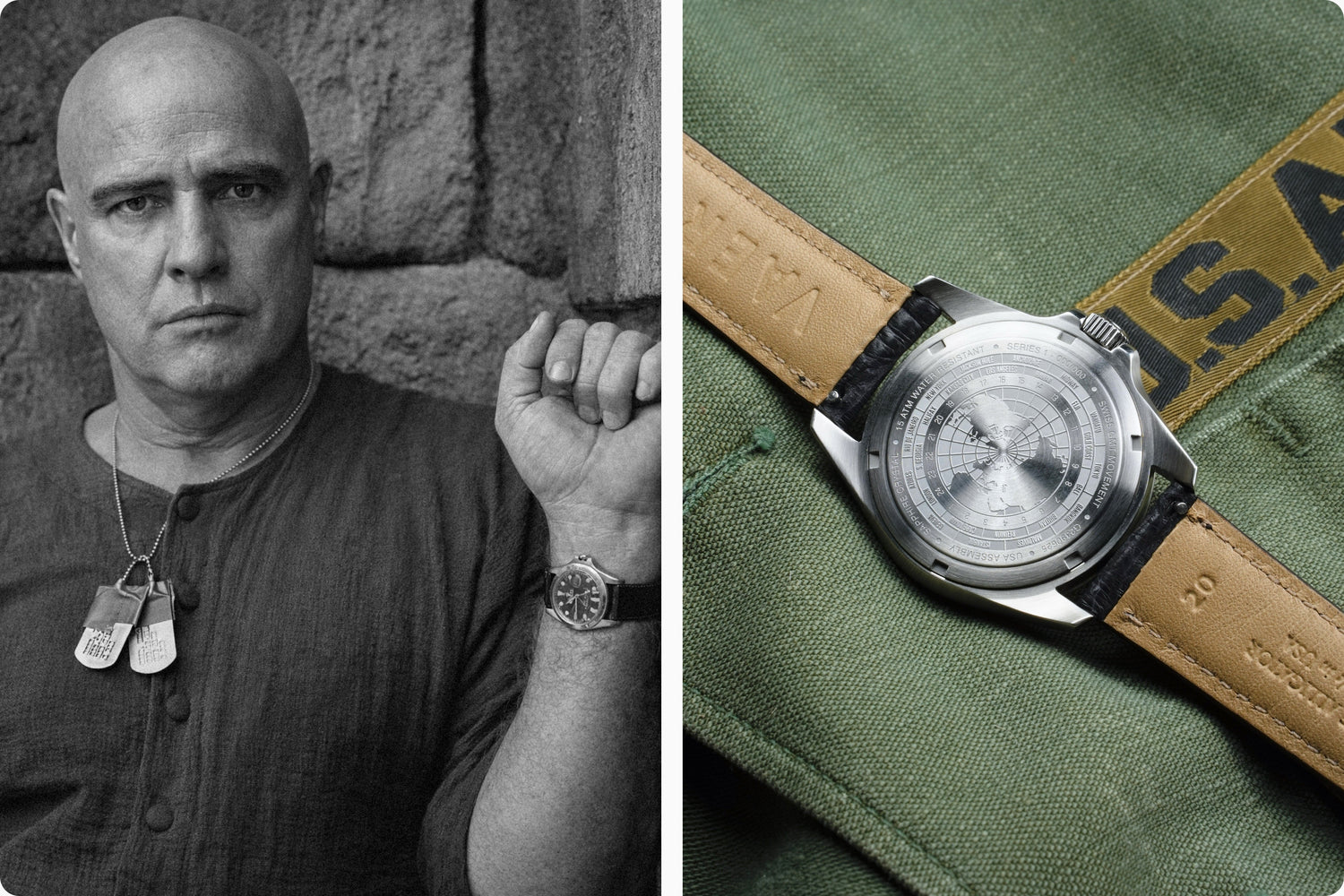
For me, the watch that most effectively captures that era is not an issued field watch at all. It is Marlon Brando’s Rolex GMT-Master worn in Apocalypse Now, directed by Francis Ford Coppola. That watch has been a personal point of fascination for years. It is not a “Vietnam watch” in the formal military sense, nor was it issued for combat. Yet it has become one of the most recognizable horological symbols associated with the 1970s, with American cinema, and with the psychological landscape of that era.
The G2 Apocalypse GMT is our attempt to respond to that object. Not as a literal war watch, and not as a reproduction of a seven-figure collector’s piece, but as a contemporary interpretation of a watch that came to represent something larger than itself.

The Watch In The Jungle
Brando’s GMT-Master was his own watch, worn during the production of Apocalypse Now, directed by Francis Ford Coppola. The circumstances of that production are now inseparable from the mythology of the film itself (years behind schedule, spiraling budgets, extreme environmental conditions in the Philippines, and a director publicly questioning whether he would finish the project at all). The documentary Hearts of Darkness later chronicled how close the film came to collapse.
The underlying watch, the reference 1675, represents one of Rolex’s most important professional models. Introduced in the late 1950s and produced through 1980, the 1675 formalized the modern GMT architecture (a fourth 24-hour hand paired with a rotating bezel calibrated to 24 hours). Developed in partnership with Pan American Airways, it was conceived as a travel instrument for pilots and executives navigating multiple time zones in the early jet age.
In standard configuration, the 1675 most often appeared with a bi-color red-and-blue (Pepsi) bezel insert. That insert is both functional and iconic. It provides the external 24-hour scale against which the GMT hand is read. Remove it, and the watch remains structurally intact but visually altered in a profound way.
According to accounts from the set, Coppola felt the red-and-blue insert was too conspicuous for Colonel Kurtz, Brando’s rogue Special Forces officer living beyond the formal reach of American command. The insert was removed, leaving a plain steel bezel ring. The GMT hand remained. The external 24-hour reference did not.
Functionally, the watch was compromised. Symbolically, it gained depth.
Rolex in that era signified Western industrial precision (aviation, corporate mobility, disciplined global systems). Kurtz is a character who has stepped outside those systems. He has abandoned institutional time and constructed a parallel authority in the jungle. The stripped GMT, skeletal in appearance and partially de-instrumented, reflects that departure. It remains a tool watch, but its governing framework has been disrupted.
The literary subtext reinforces the point. Apocalypse Now draws from Joseph Conrad’s Heart of Darkness, a narrative about civilization carried into remote territory and gradually unmade. The altered GMT sits quietly within that thematic arc.
When Brando’s engraved example surfaced at auction through Phillips in 2019 and achieved nearly $1.95 million, the result underscored how cinema can transform a standard production reference into a cultural artifact. The value was not driven by mechanical rarity. It was driven by provenance, character centrality, and the visible anomaly of the missing bezel.
That watch is effectively inaccessible. It is singular.

Our Modern Interpretation
We approached the G2 Apocalypse GMT with two considerations in mind.
First, the Brando’s GMT represents one of the most compelling intersections of watch history and American film history. Apocalypse Now is routinely cited among the defining films of the 1970s. Coppola’s body of work during that decade (The Godfather, The Conversation, The Godfather Part II, and Apocalypse Now) positions him among the most consequential American directors. Brando’s influence on modern acting remains foundational.
As an L.A.-based brand, our proximity to film culture is not abstract. Watches have long functioned as subtle narrative devices in cinema. They are rarely the focal point, yet they reinforce character, class, and psychology in ways that linger. The Brando GMT is a precise example. It is not emphasized on screen, yet it strengthens Kurtz’s myth.
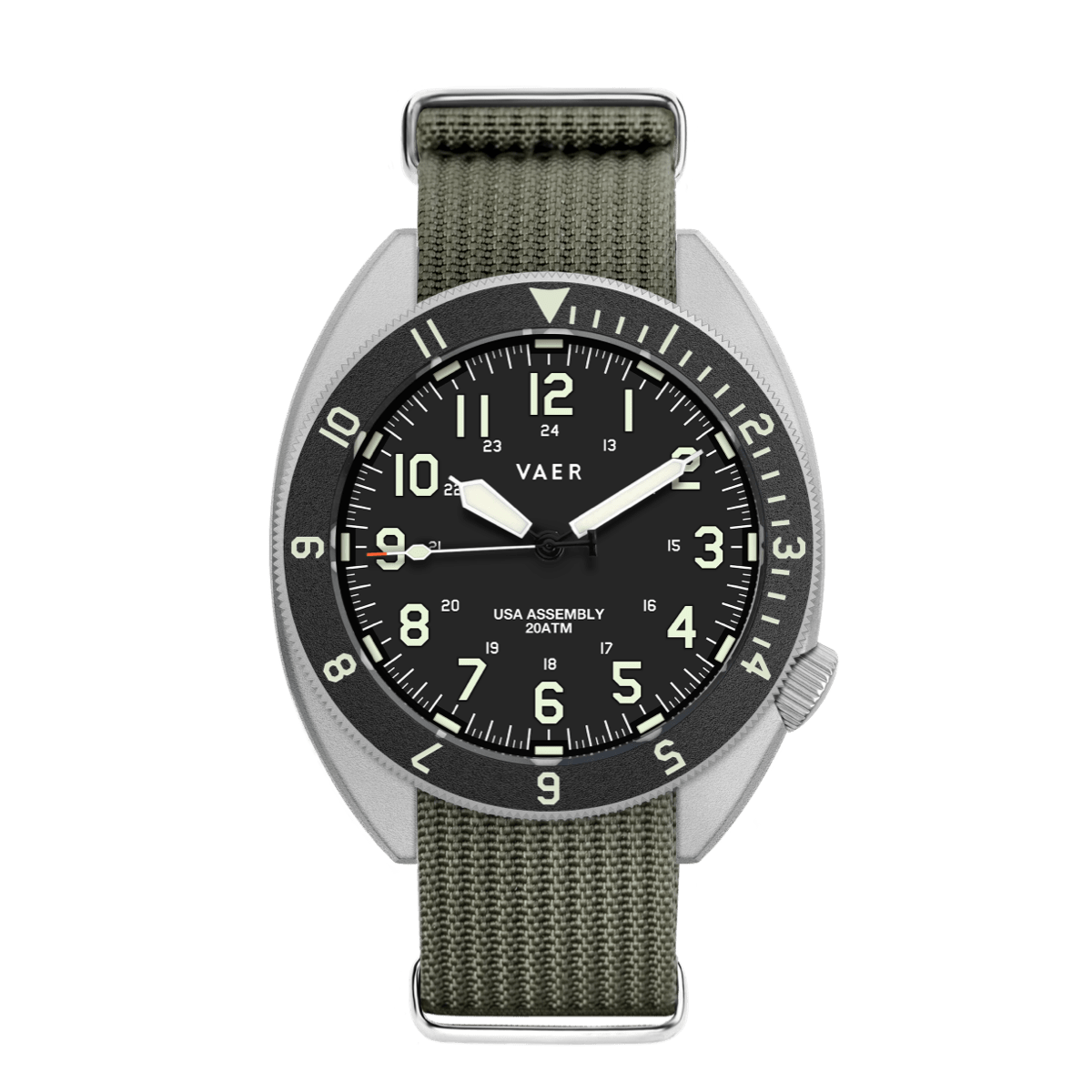
Second, independent of its cinematic history, the stripped-bezel GMT is visually compelling. Removing the 24-hour insert destabilizes the familiar grammar of the travel watch. The result sits somewhere between field watch and diver, yet retains a GMT hand. It invites a second look.
Unlike the original, however, we wanted the watch to remain fully functional.
 Designing the G2 Apocalypse
It would be reductive to describe the G2 Apocalypse GMT as simply “a GMT without a bezel insert.” The absence of a rotating bezel materially changes case proportion and visual balance. On a conventional 39mm GMT or diver, the bezel consumes significant structural mass and compresses the dial aperture. Eliminating that component exposes more of the underlying case geometry and requires a rethinking of surface treatment.
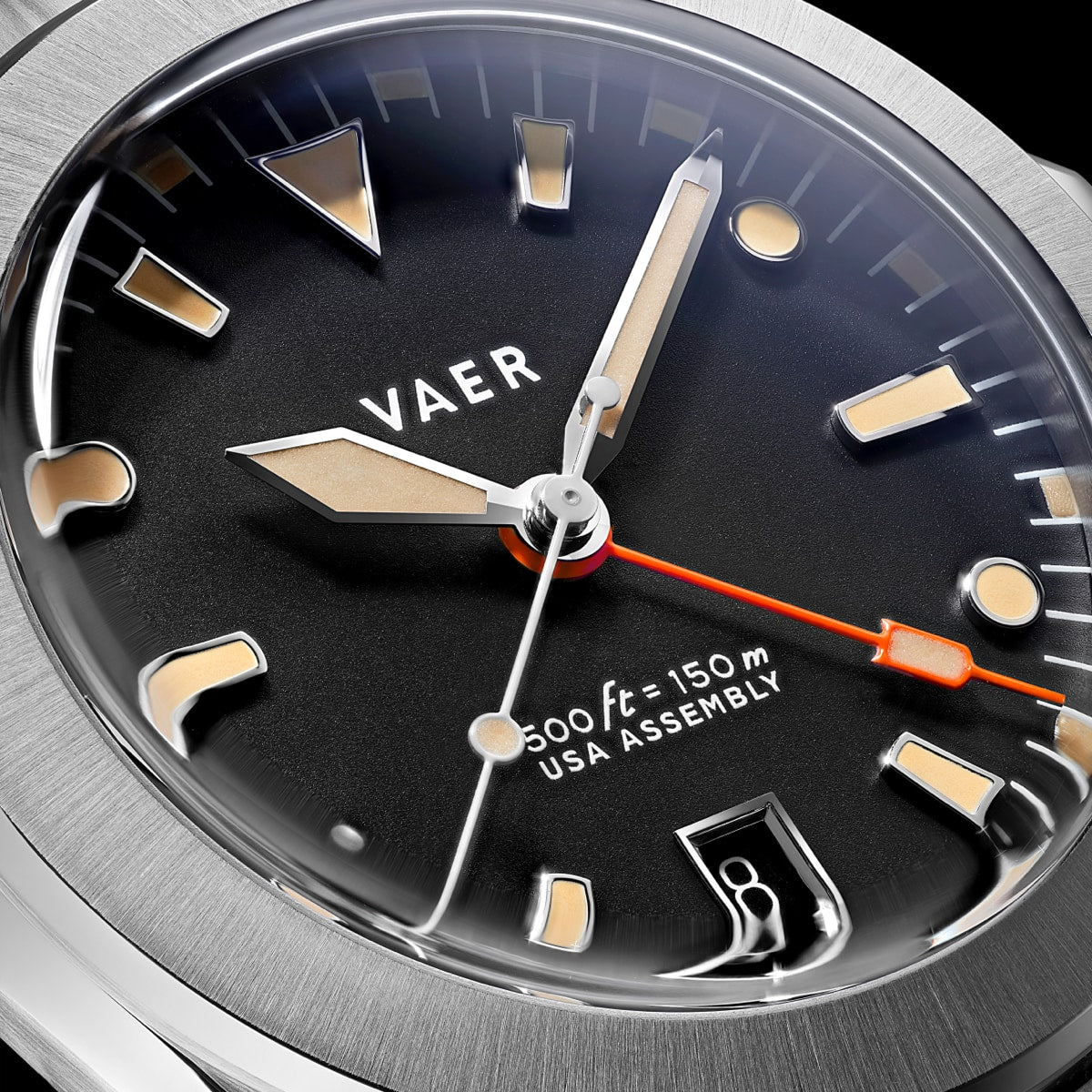
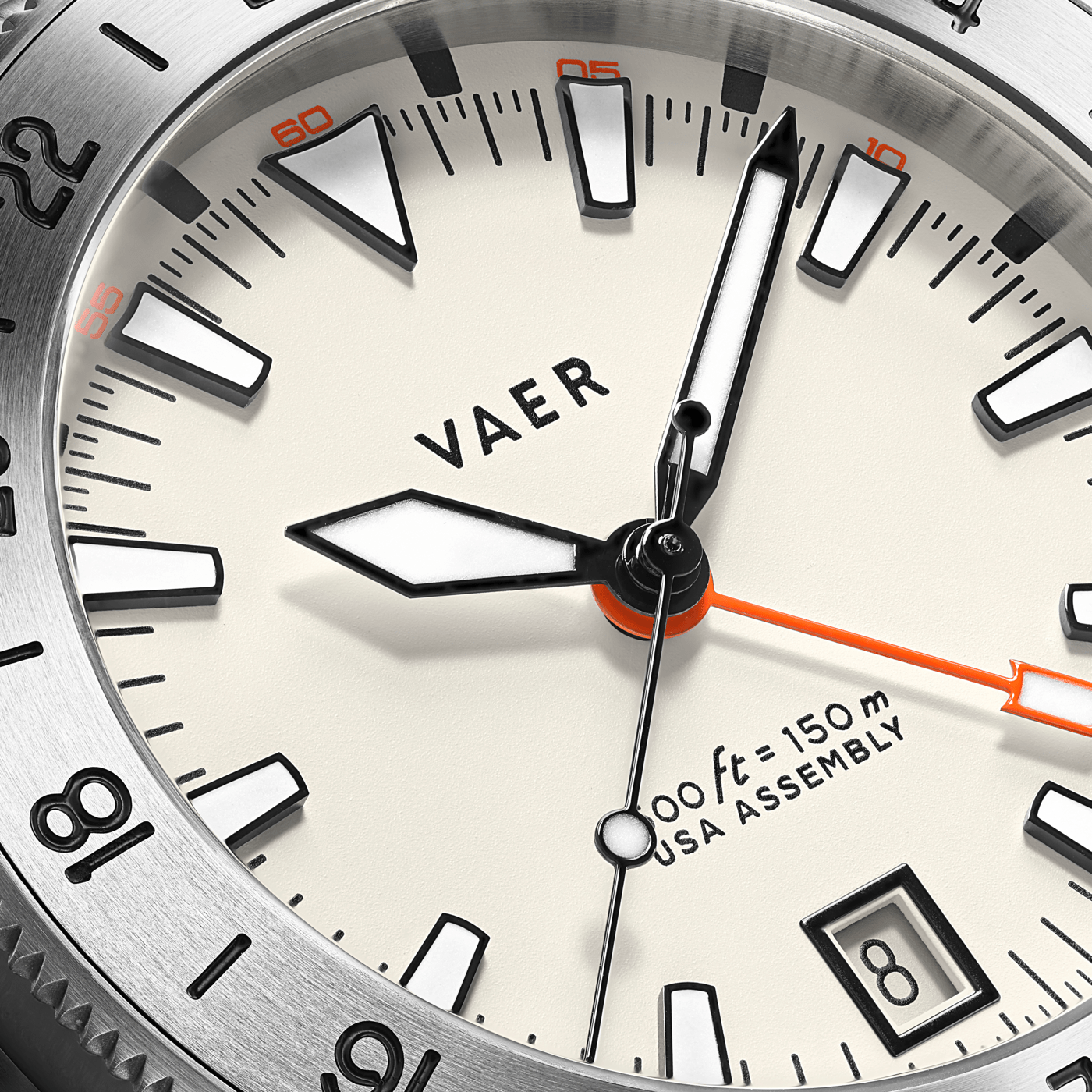
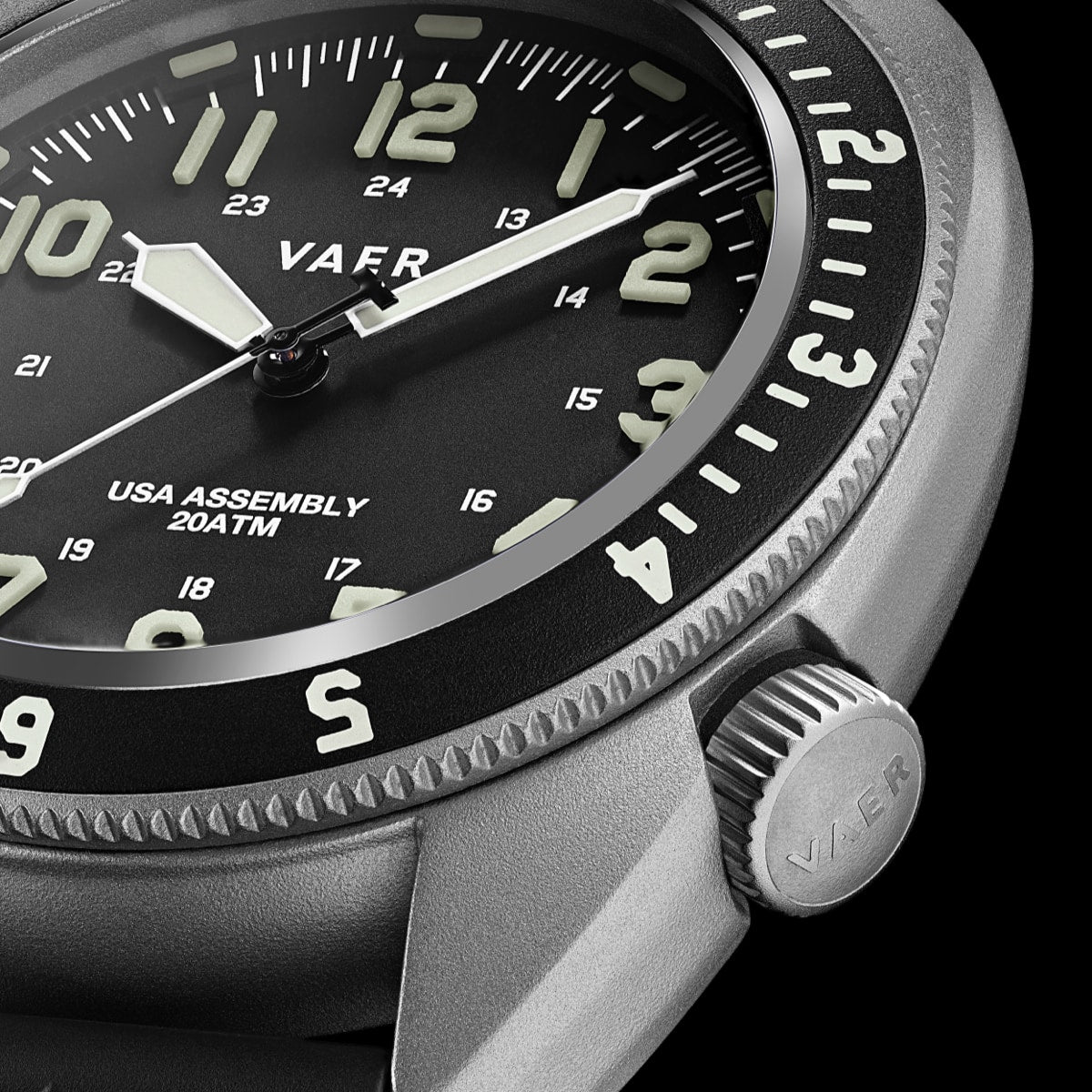
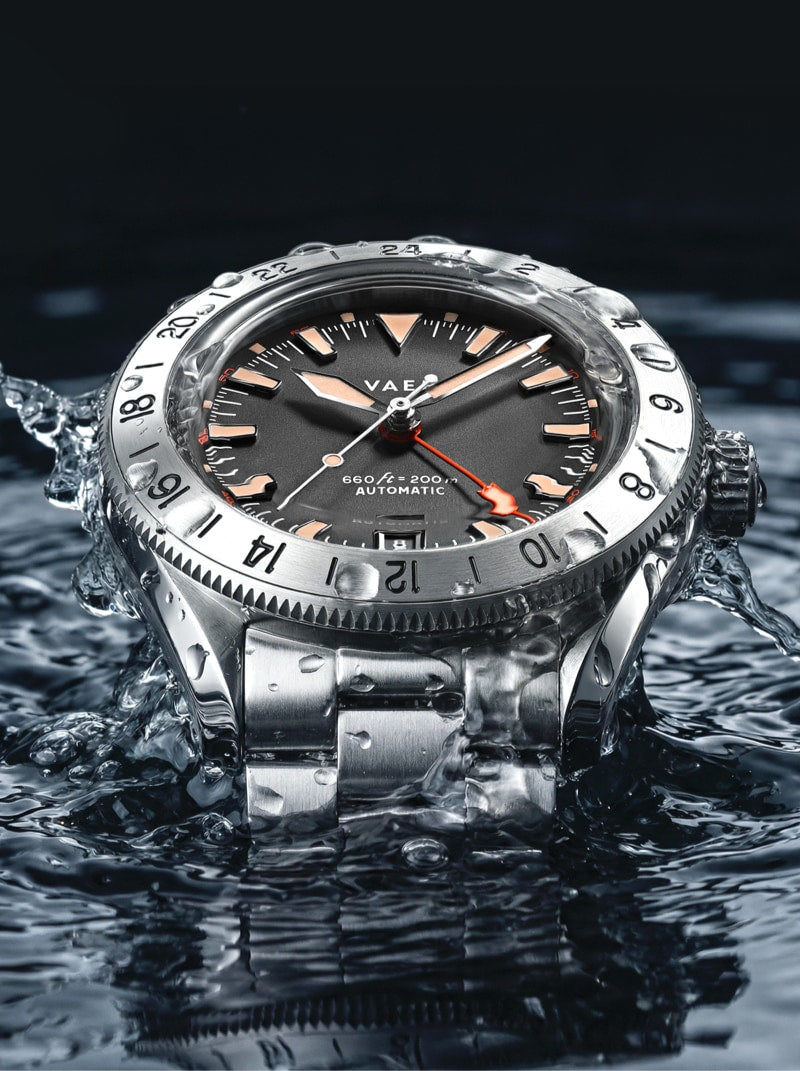
The G2 Apocalypse GMT is built on a newly developed case execution. The fixed bezel surface features a radial brushed finish (a sunray-style brushing radiating outward from the center). This is not a flat, utilitarian brush; it is directional and textured, designed to create contrast against polished case flanks and chamfers.
Without the dominance of a thick rotating bezel, the twisted (lyre) lugs become more pronounced. Our cases are intentionally free of abrupt 90-degree transitions. The lines are rounded and continuous. Removing the bezel allows that fluidity to come forward. From the side profile, the interplay between brushed planes and polished accents becomes more evident.
This case also introduces our first fully external crown guard at three o’clock within this family. Integrating a crown guard into a curved lug architecture requires careful proportional control. It must anchor the case without appearing grafted or angular. The result, in my view, achieves that balance.

Restoring Function
The Brando GMT derived much of its visual power from functional compromise. We chose not to repeat that compromise.
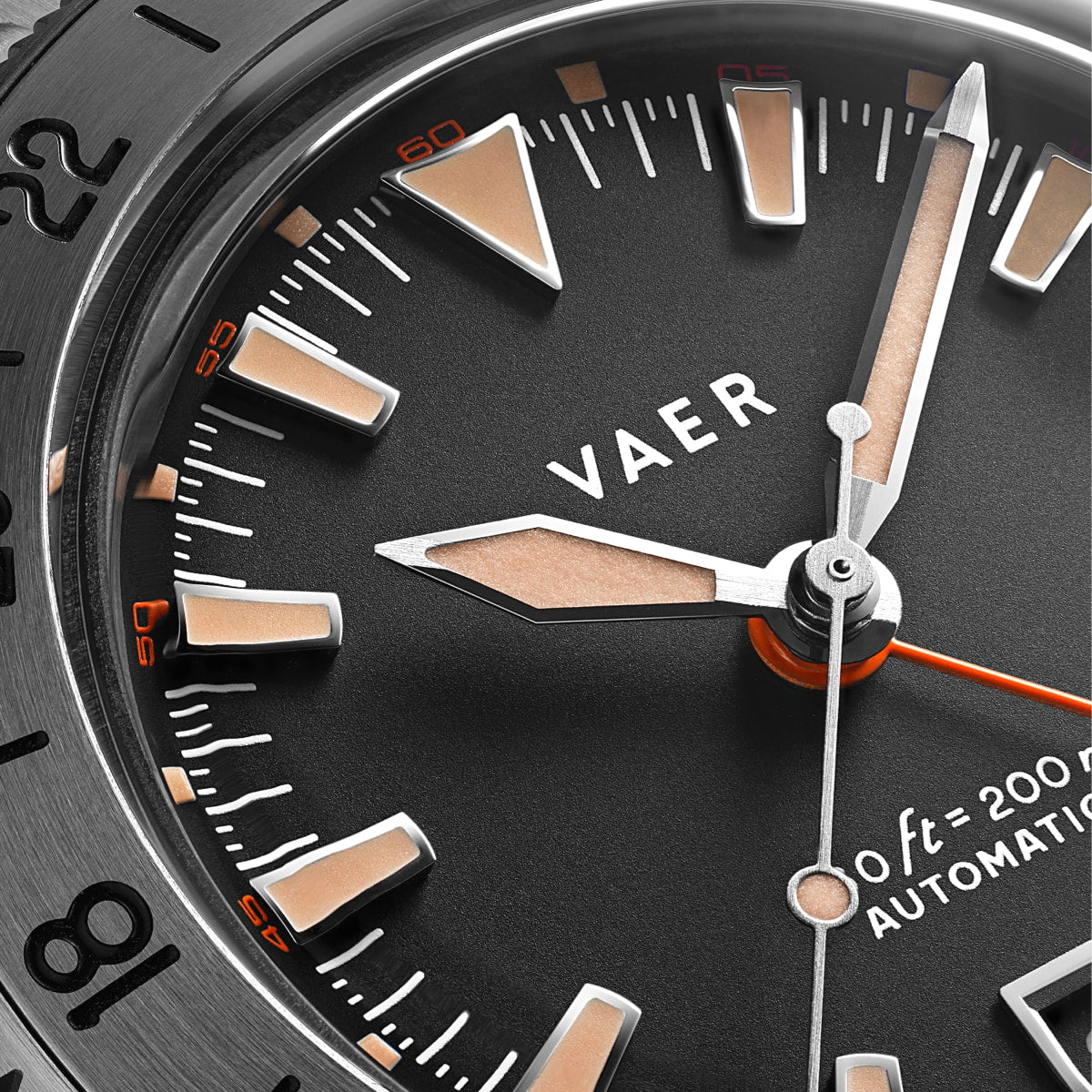
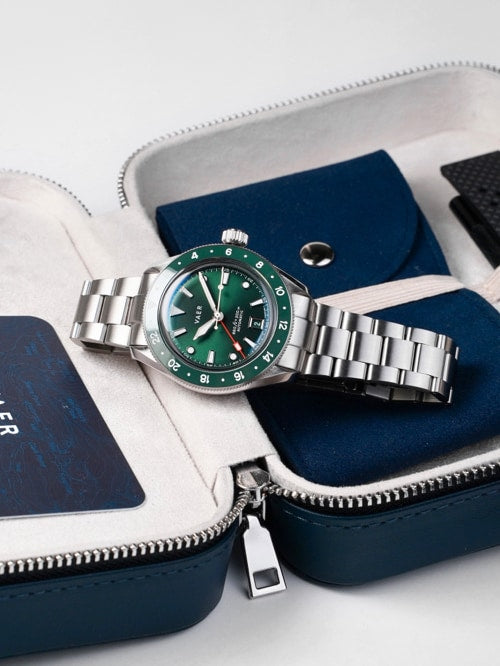
Instead of leaving the GMT hand without an external scale, we integrated subtle rectangular 24-hour markers directly along the dial perimeter. These markers allow for clear second-time-zone tracking without reintroducing a traditional rotating bezel. The dial retains the clean structure of our G2 platform while embedding the additional layer of information within the chapter ring.
At a glance, the watch reads almost field-adjacent (no bi-color insert, no aggressive bezel profile). On closer inspection, it resolves as a true GMT. That ambiguity is deliberate.
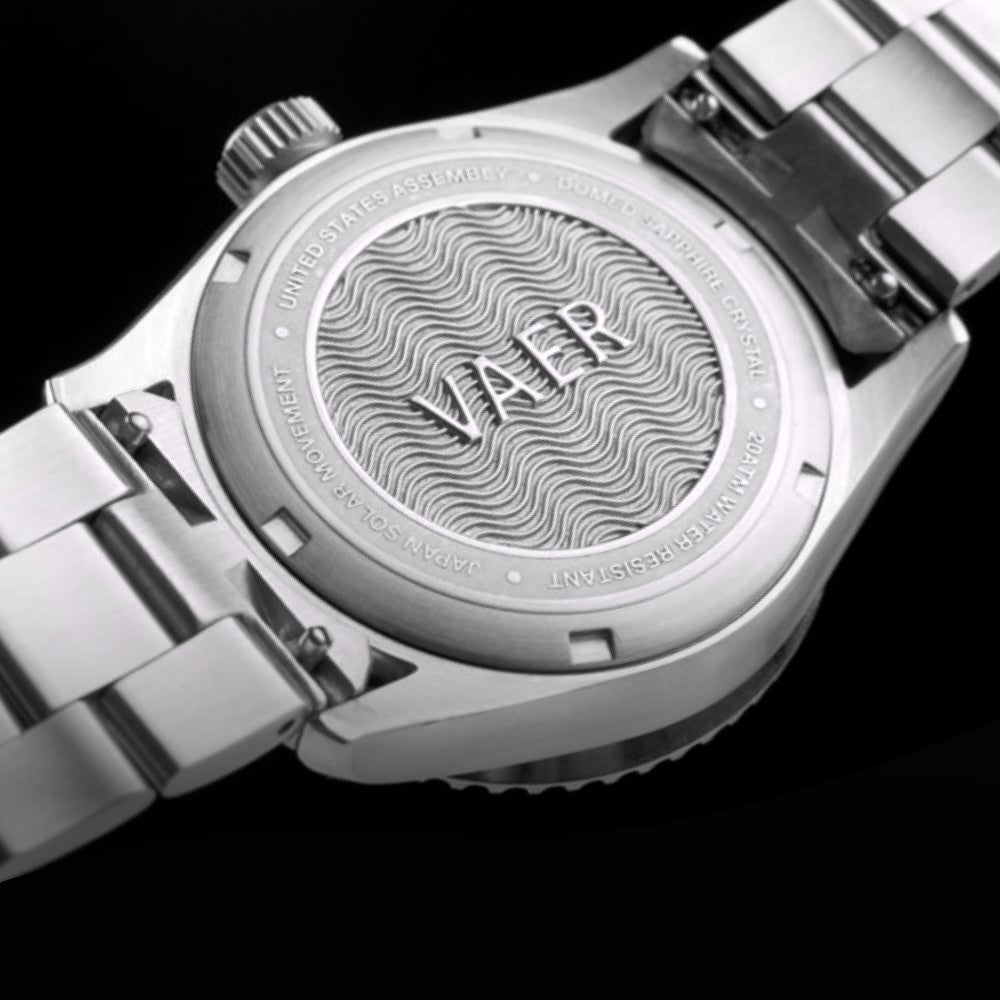
From a specification standpoint, the watch remains consistent with our broader tool-watch philosophy. Swiss movement. Sapphire crystal (a modern advancement over the acrylic crystals typical of vintage 1675s). Screw-down crown. 150 meters of water resistance. Engraved world-map caseback. Retail under $500.
This is not intended as a museum object. It is intended as a daily-wear GMT that carries narrative context.

A 1970s Reference, Reconsidered
We have long admired the Brando 1675, not as a literal combat-issued watch, but as a cultural artifact that captures the ambiguity of the 1970s. It is larger than the Vietnam War itself. It reflects American filmmaking at its most ambitious and volatile, and it places a mid-century professional tool watch inside that landscape.
The G2 Apocalypse GMT is our considered response to that moment. It acknowledges the reference without replicating it. It restores mechanical coherence where the original was intentionally altered. And it aligns with our founding ethos (accessible, durable, American-assembled tool watches rooted in narrative context).
For collectors who recognize the reference, the connection will be immediate. For others, it stands on its own as a distinctive GMT with deliberate proportions and historical depth.
In either case, it reflects how we approach design at Vaer (respect the past, reinterpret thoughtfully, and build watches meant to be worn).