















There are plenty of surf films that know how to sell beauty.
There are fewer that know how to capture compulsion. Yet the deeper appeal of ocean life is usually found somewhere in the mix of improvisation, risk, discomfort, bad judgment, skill, humor, and the strange sense that a person has committed himself to something that makes very little sense from the outside, but total sense once you are in it.

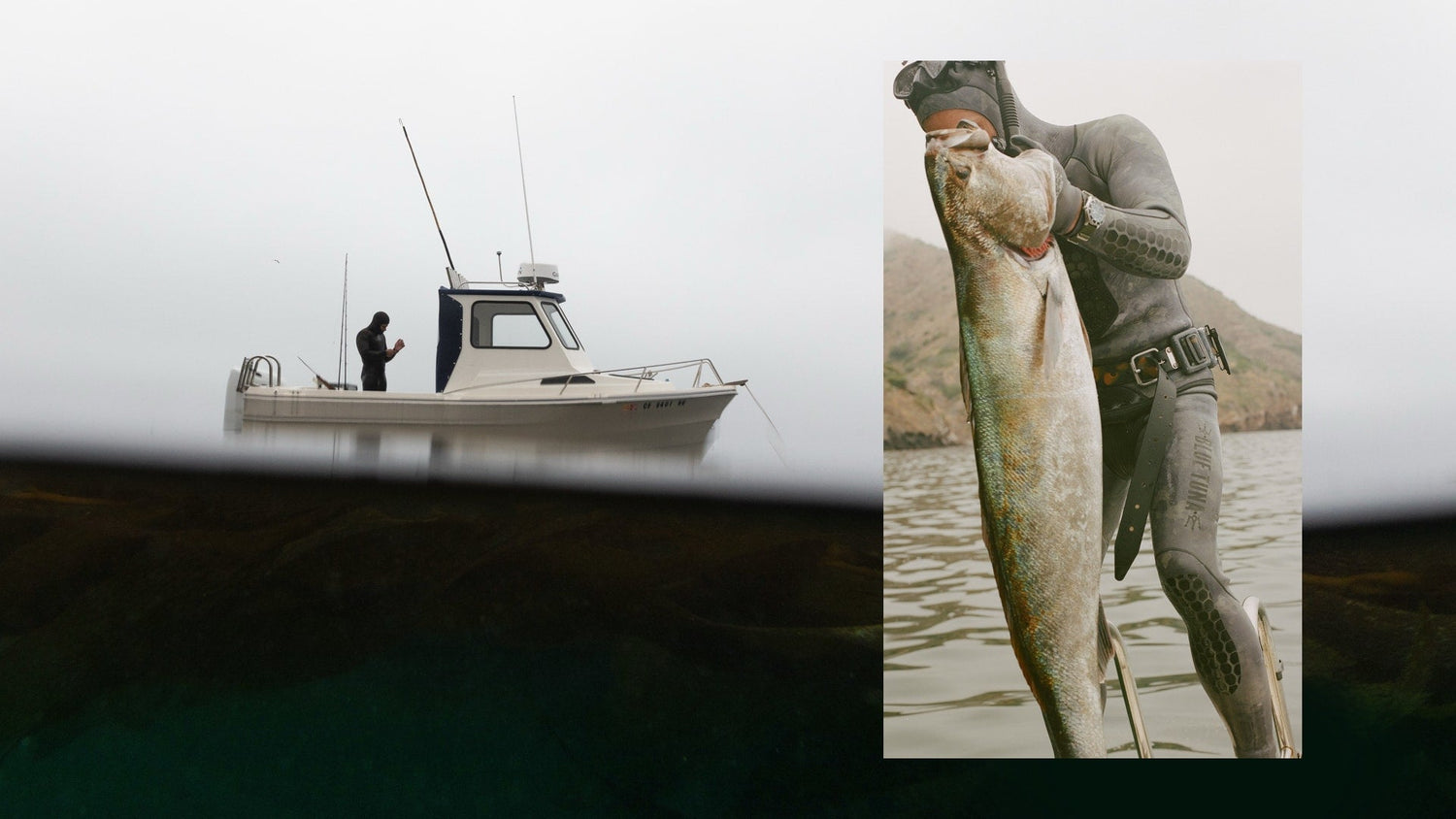
Our newest film, White Cap, co-directed by Corban Campbell and George Trimm, is built around boats, surf, fish, risk, improvisation, and the half-controlled chaos that tends to define any serious life spent near open water.
On paper, that description could still point in a few different directions. In practice, what makes this project compelling to us is not just the subject matter, but the subject himself. We have known Corban for a long time, and over the years he has become one of those rare people who has consistently reminded us what a true “waterman” life actually looks like when it is lived day after day.
That word gets used too loosely now.
In Corban’s case, it still means something.

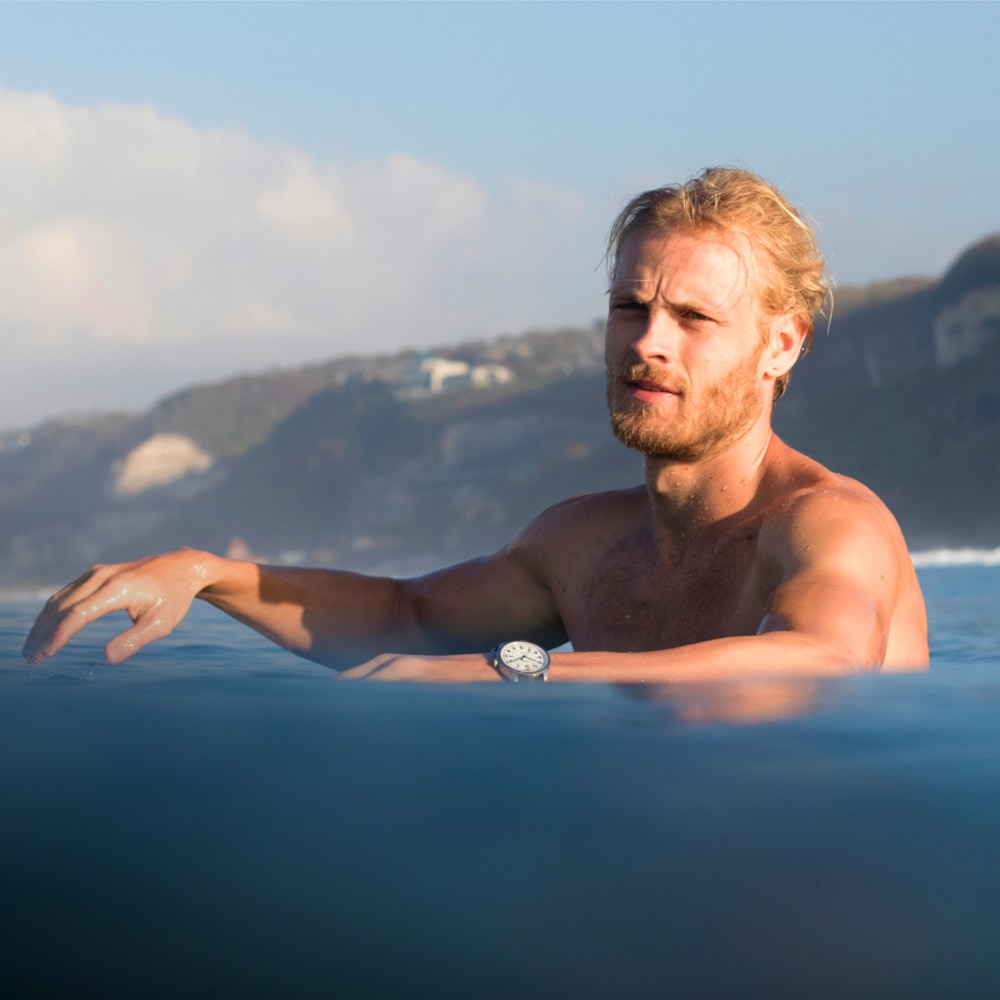
He is not someone orbiting ocean culture from a comfortable distance. He is in it. He surfs seriously. He shoots seriously. He builds things. He spears fish. He works on boats. He runs a business. He raises a family. He seems constitutionally unable to sit still for long, which is part of what gives both his photography and his broader life their charge.
If you know Corban’s work from the pages of The Surfer’s Journal, none of this will come as much of a surprise.
What has always stood out to us is that his work is never just about surfing in the narrow sense. He has a gift for capturing the wider world around the wave: the vehicles, the weather, the downtime, the mistakes, and the texture of a life organized around motion. That sensibility feels central to White Cap. This is not a film about polished achievement or neatly packaged freedom. It is a film about pursuit itself, and about the unpredictable, often absurd logistics of trying to build a meaningful life around the sea.
That, in our view, is where the truth usually is.

The official description of the film traces Corban’s evolution from sketchy inflatable boats to a custom buildout of his own design, and that progression gets at something larger than boats alone. It points to a way of living shaped by experimentation, adaptation, and accumulated competence. First the rough setup, then the better setup, then eventually the version refined by experience. There is something deeply satisfying in that arc, especially because it reflects a kind of practicality that still feels increasingly rare.
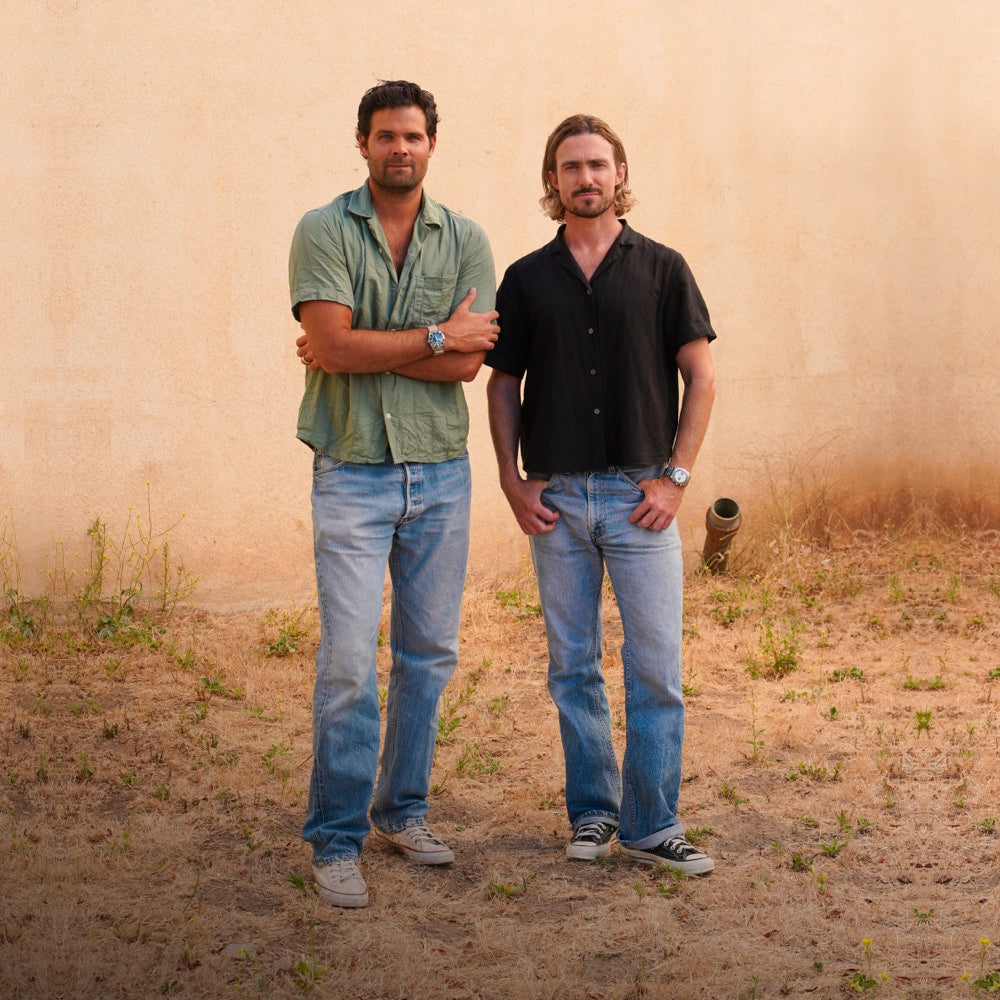
It also gives us a natural point of connection back to an earlier chapter in the Vaer story. White Cap features Conner Rhoads, who many in our community may remember from The Urchin Diver, the first Vaer film we released. Conner is a friend of Corban’s, and helped him build the boat at the center of this story, White Cap itself. For us, that overlap is especially meaningful. It reinforces how small and interconnected this world can be when you spend enough time around people who actually live by the water rather than simply borrowing its imagery.
That is also one reason our relationship with Corban has felt so natural over the years.

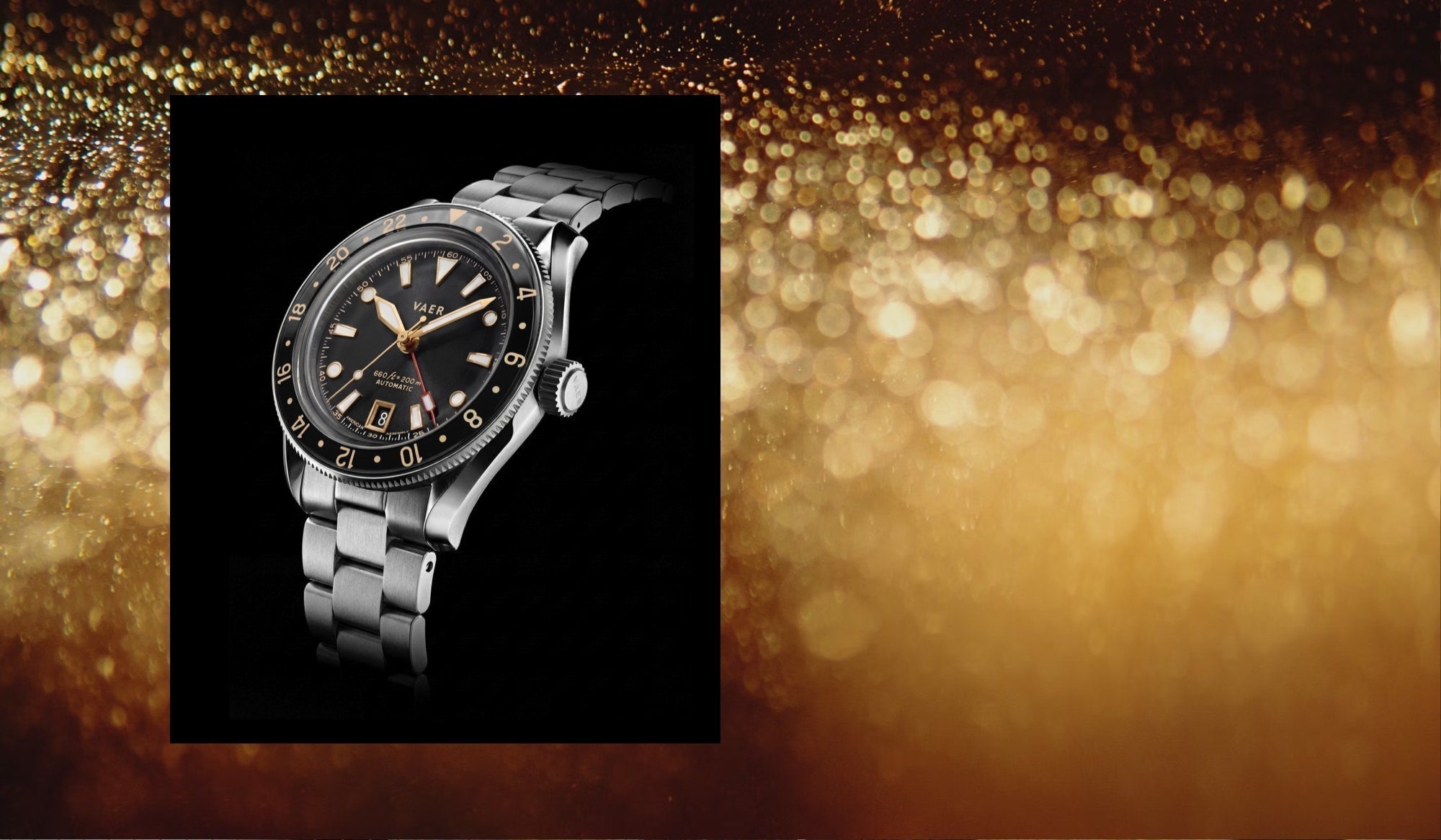
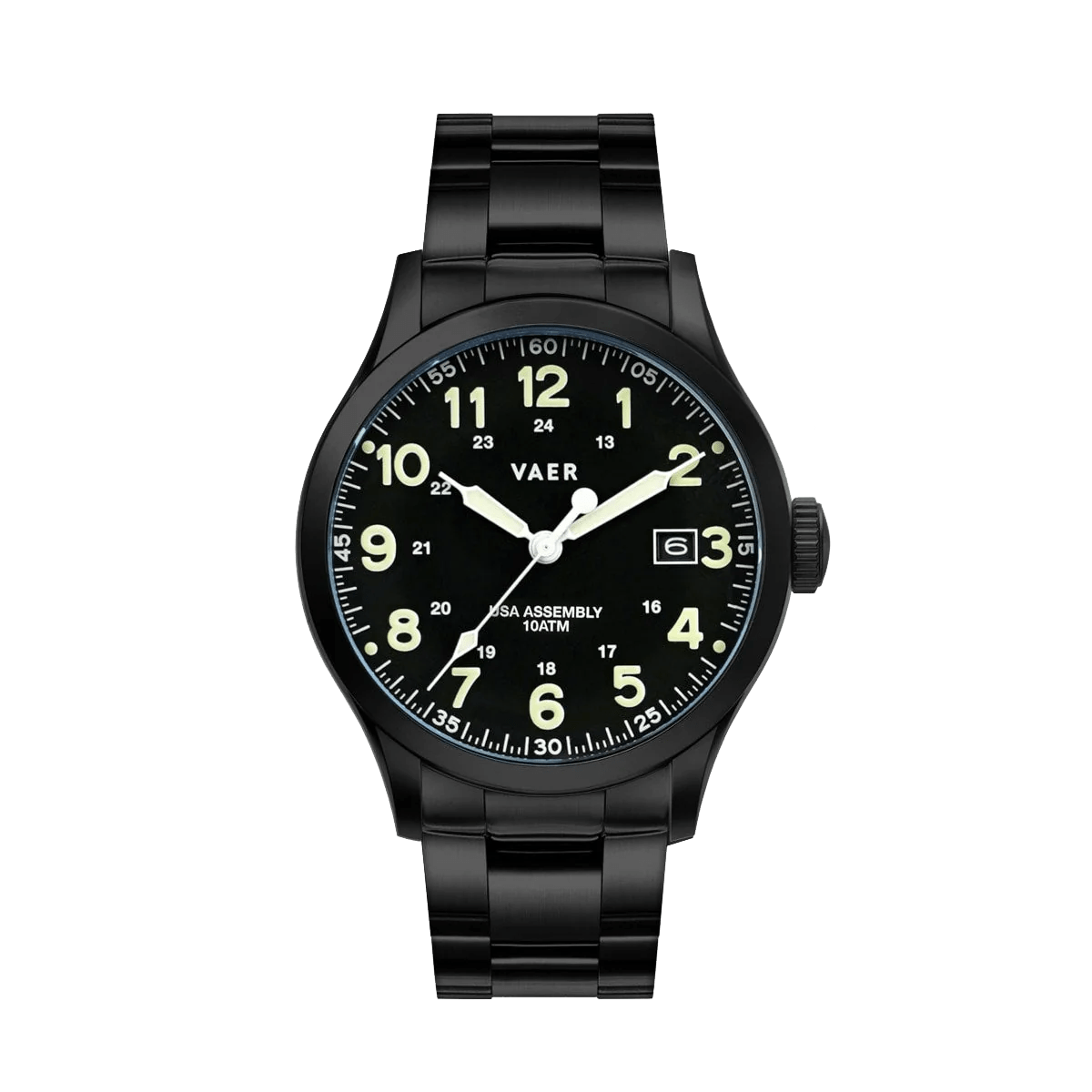
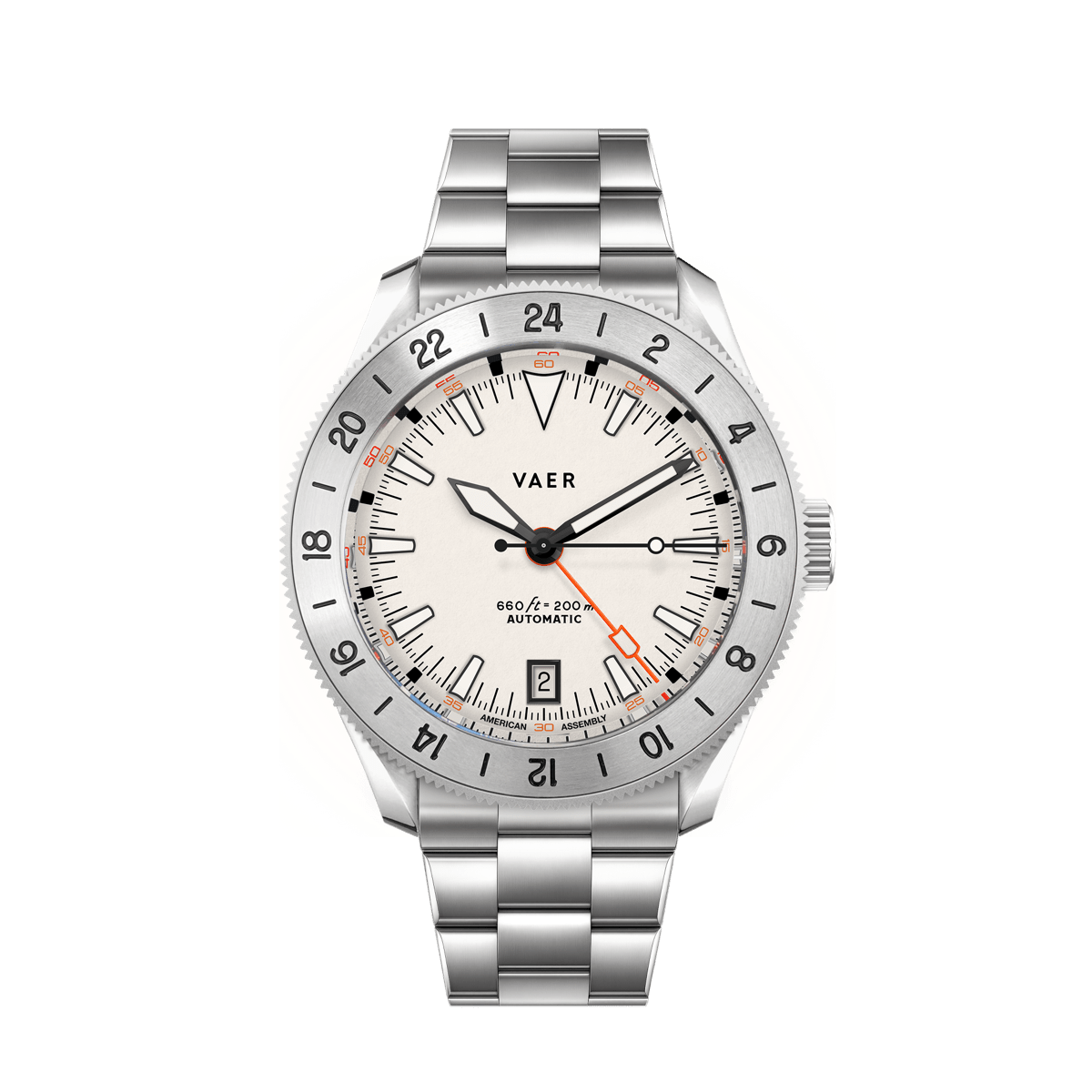
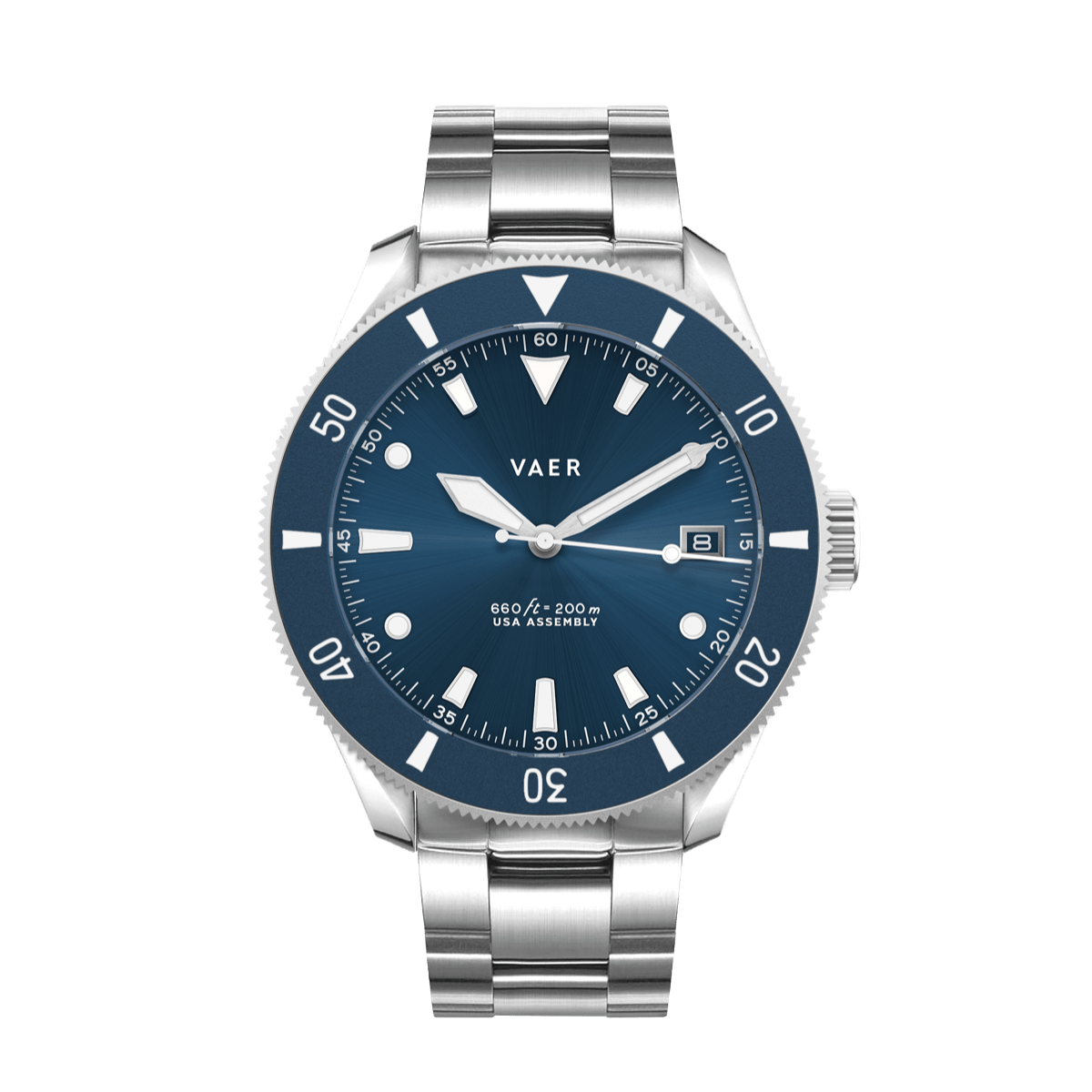
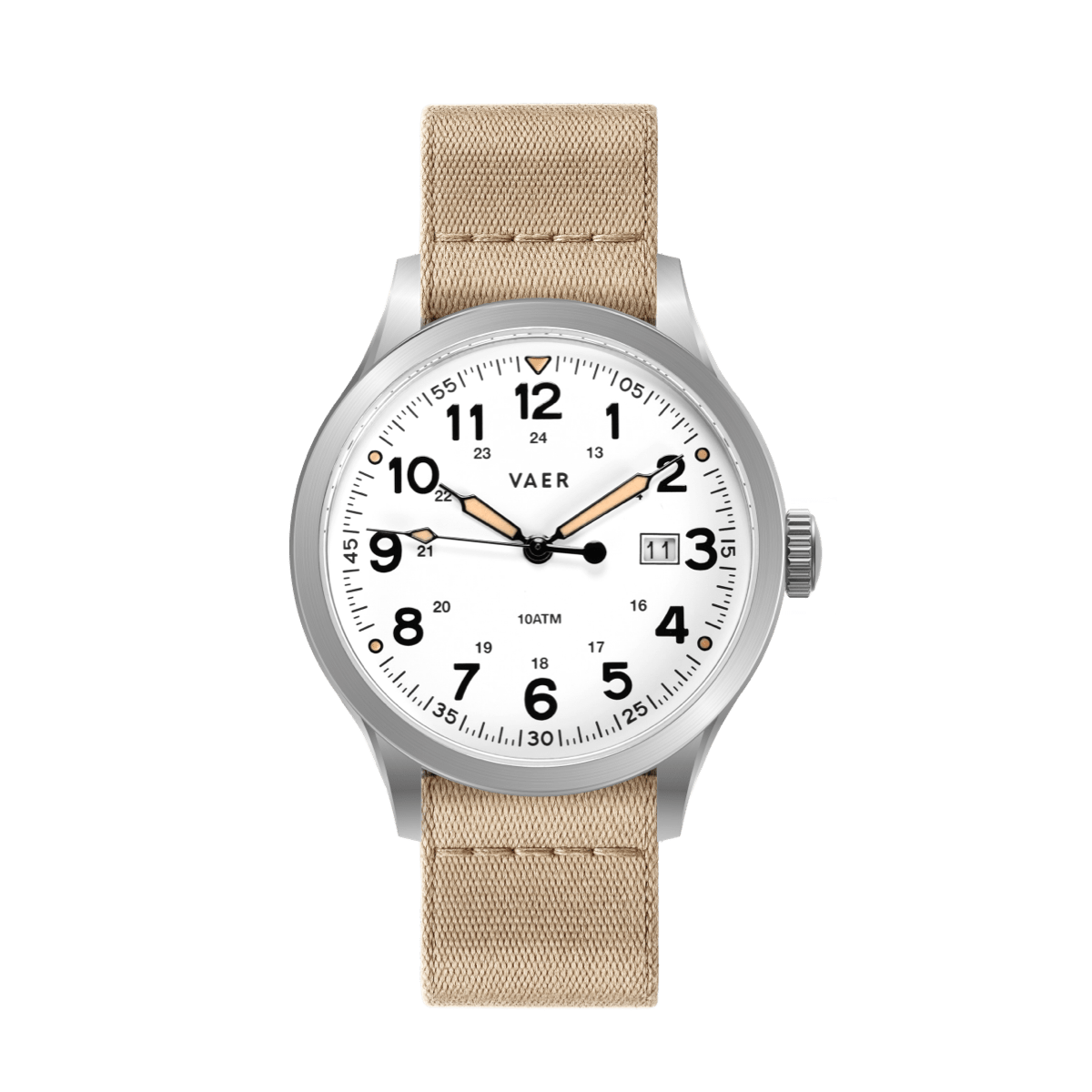
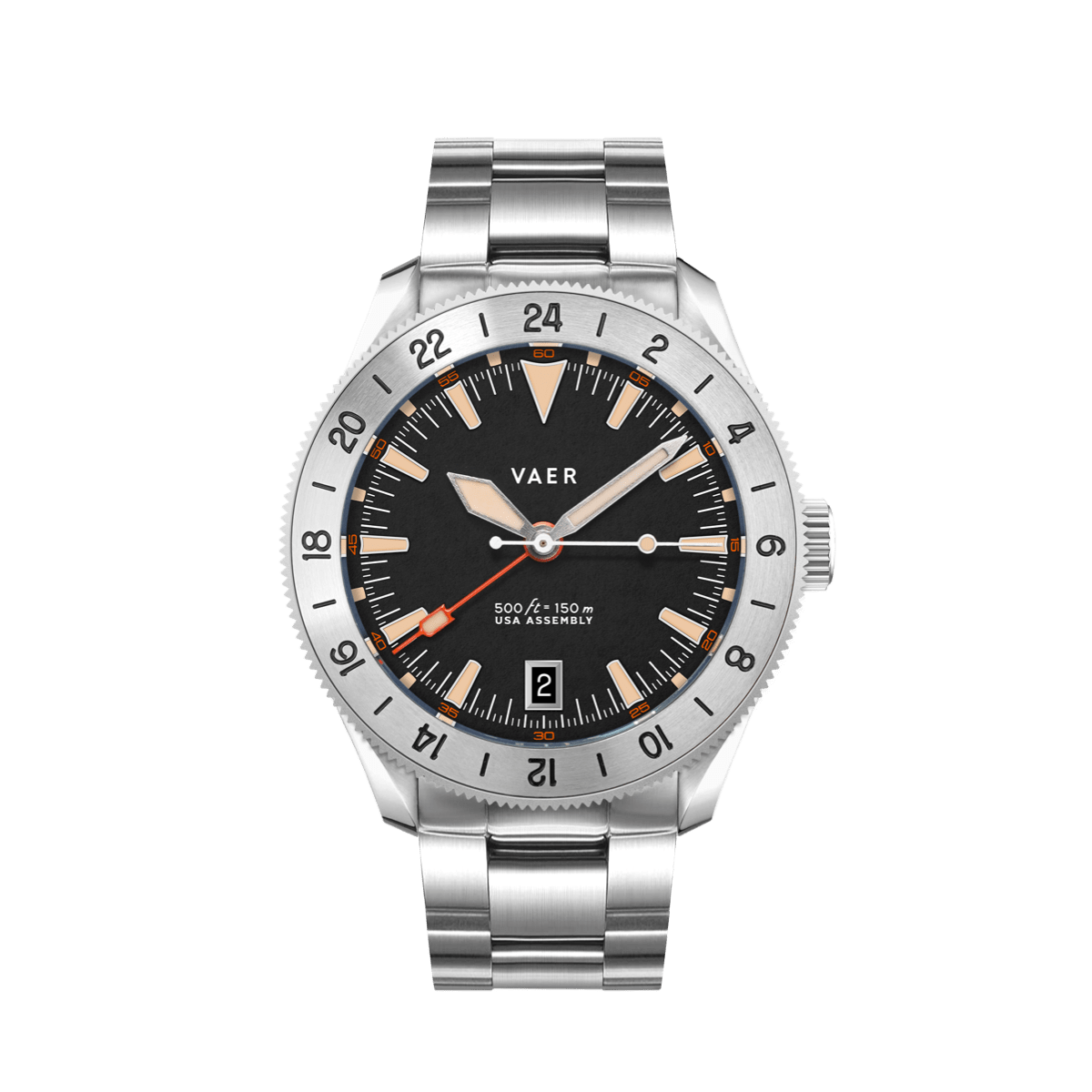
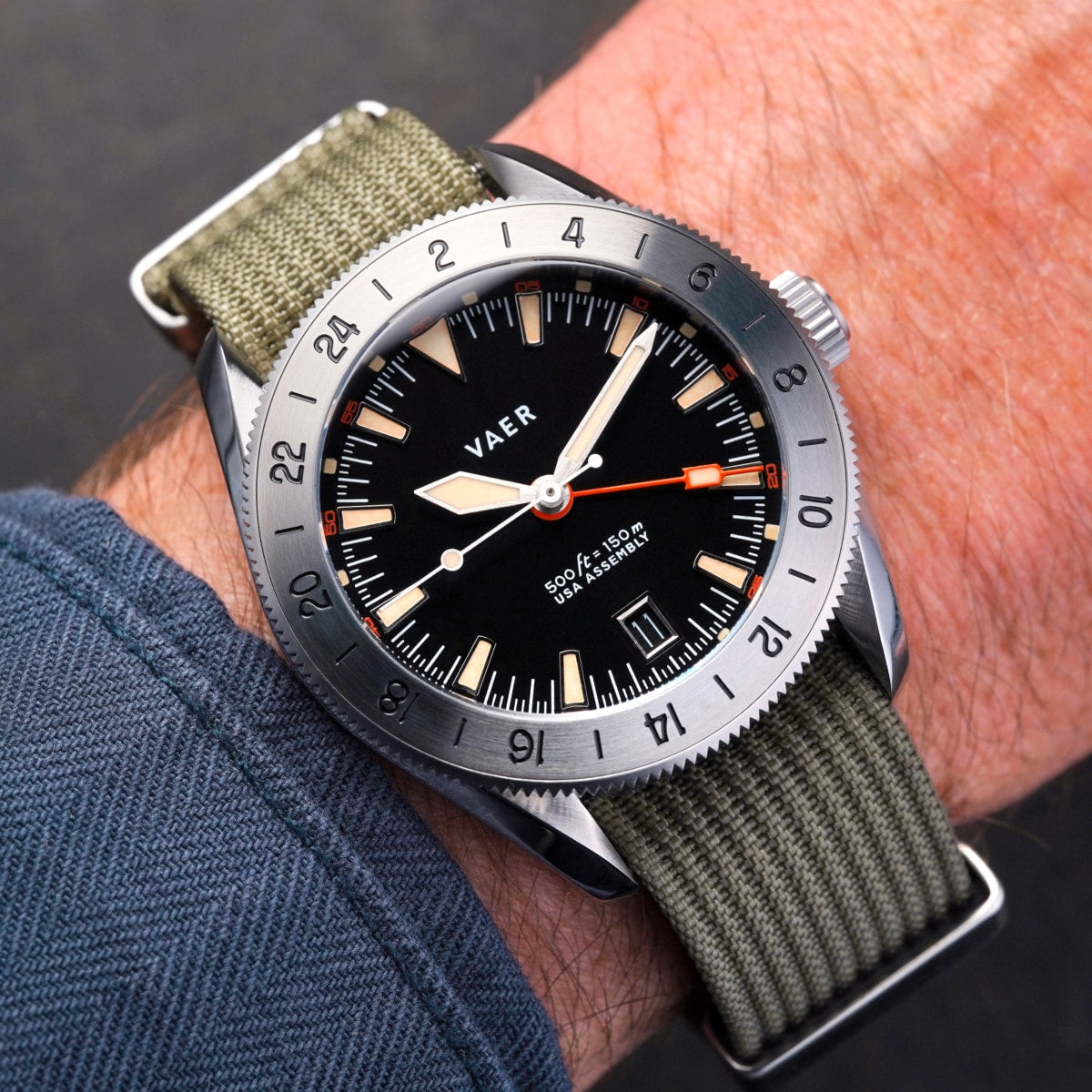
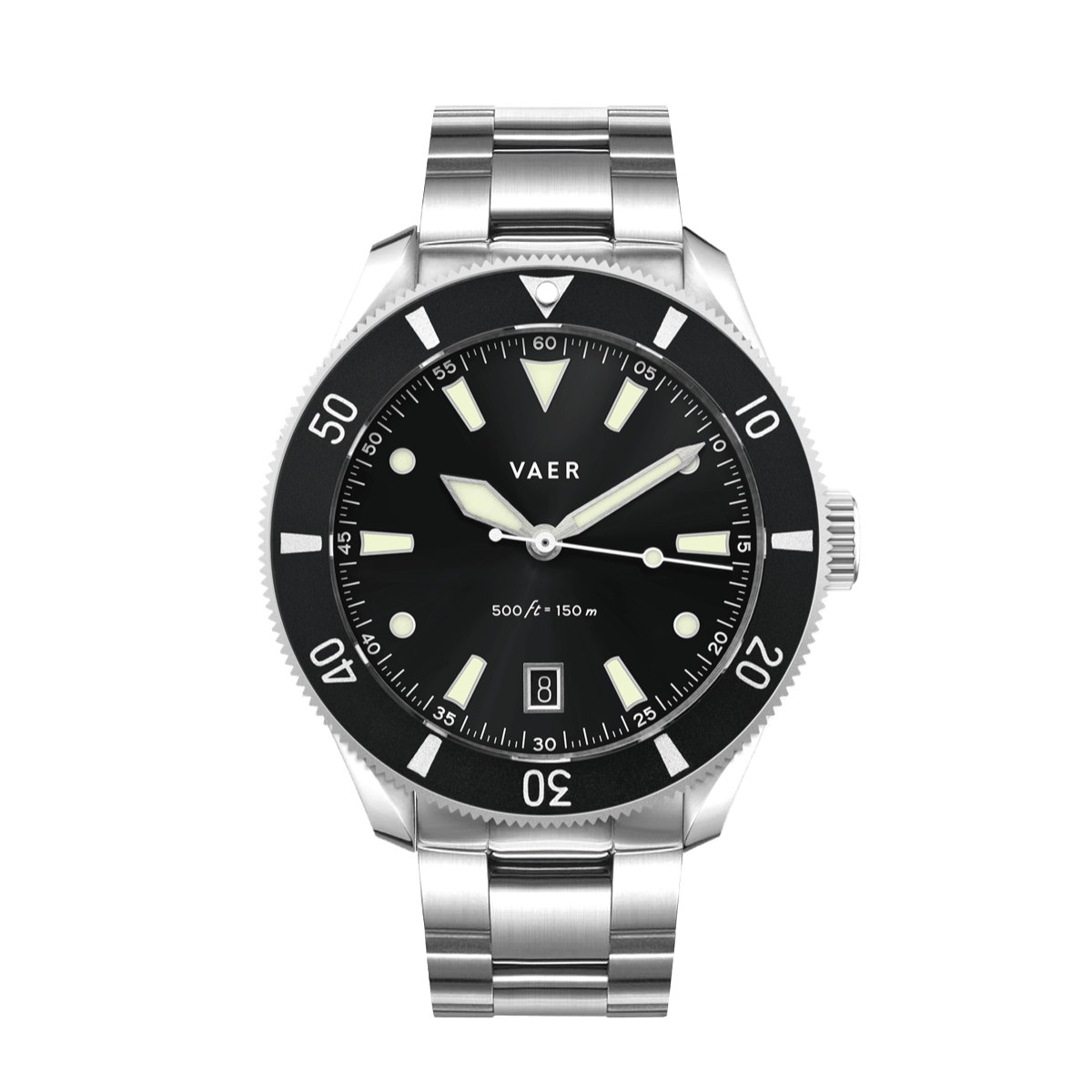
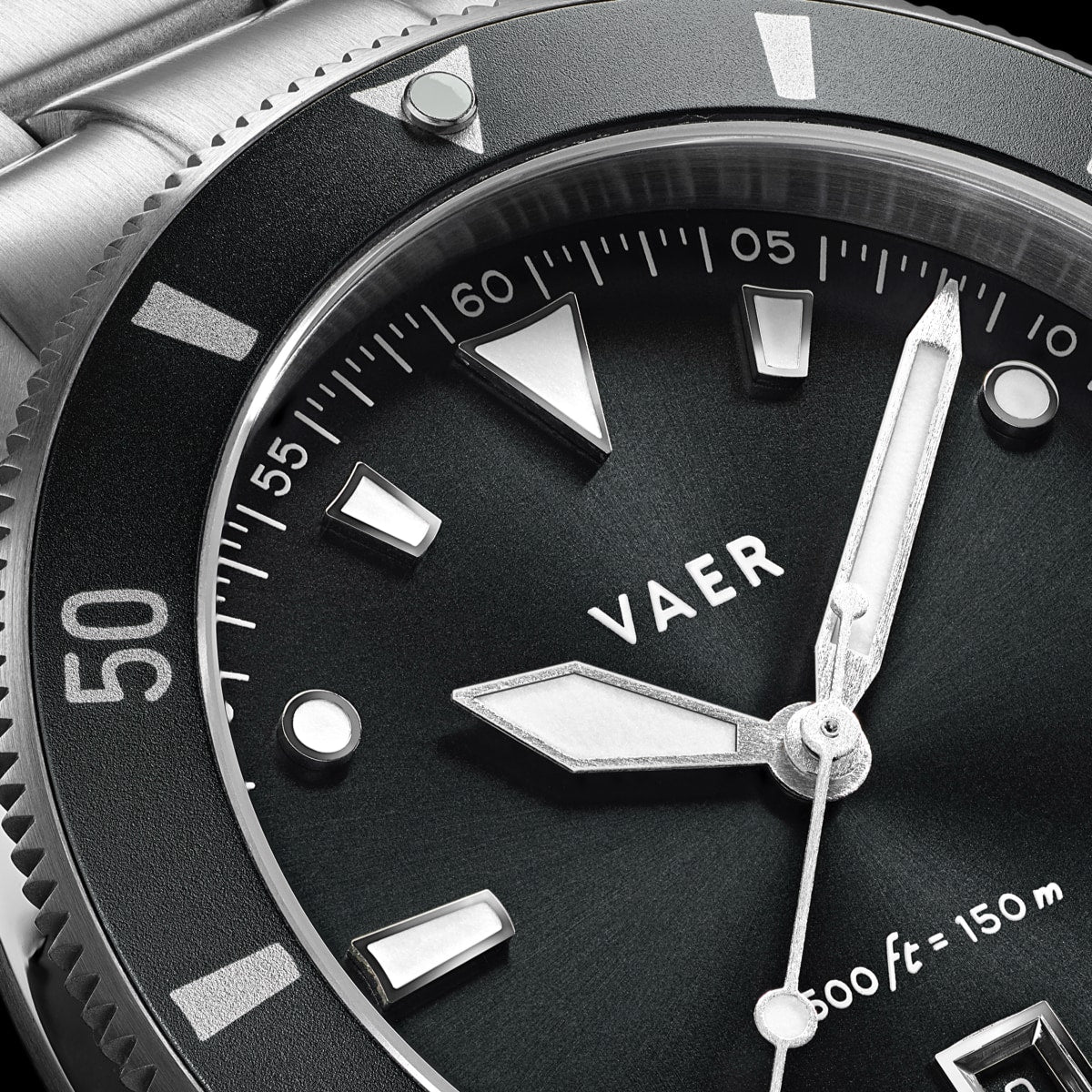
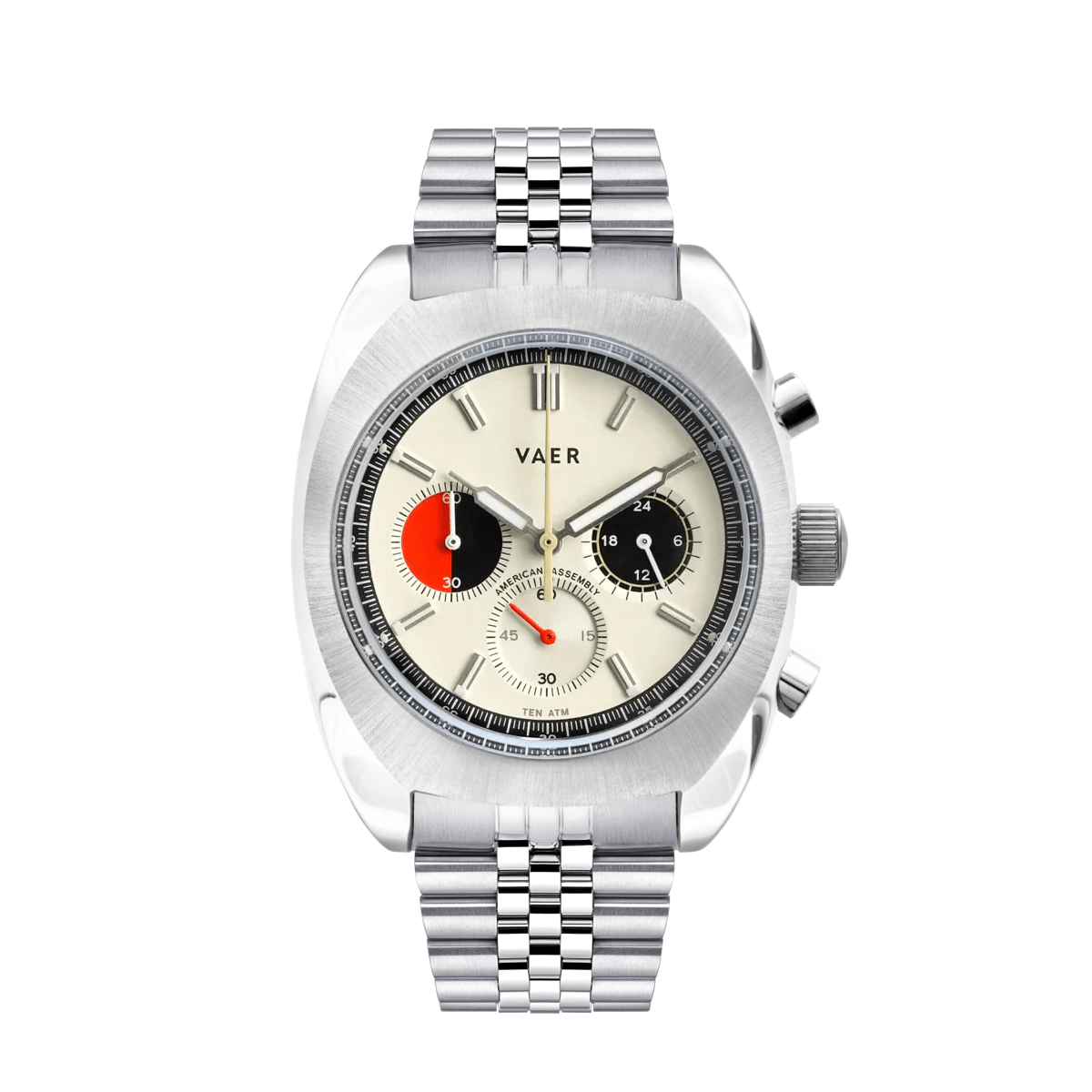
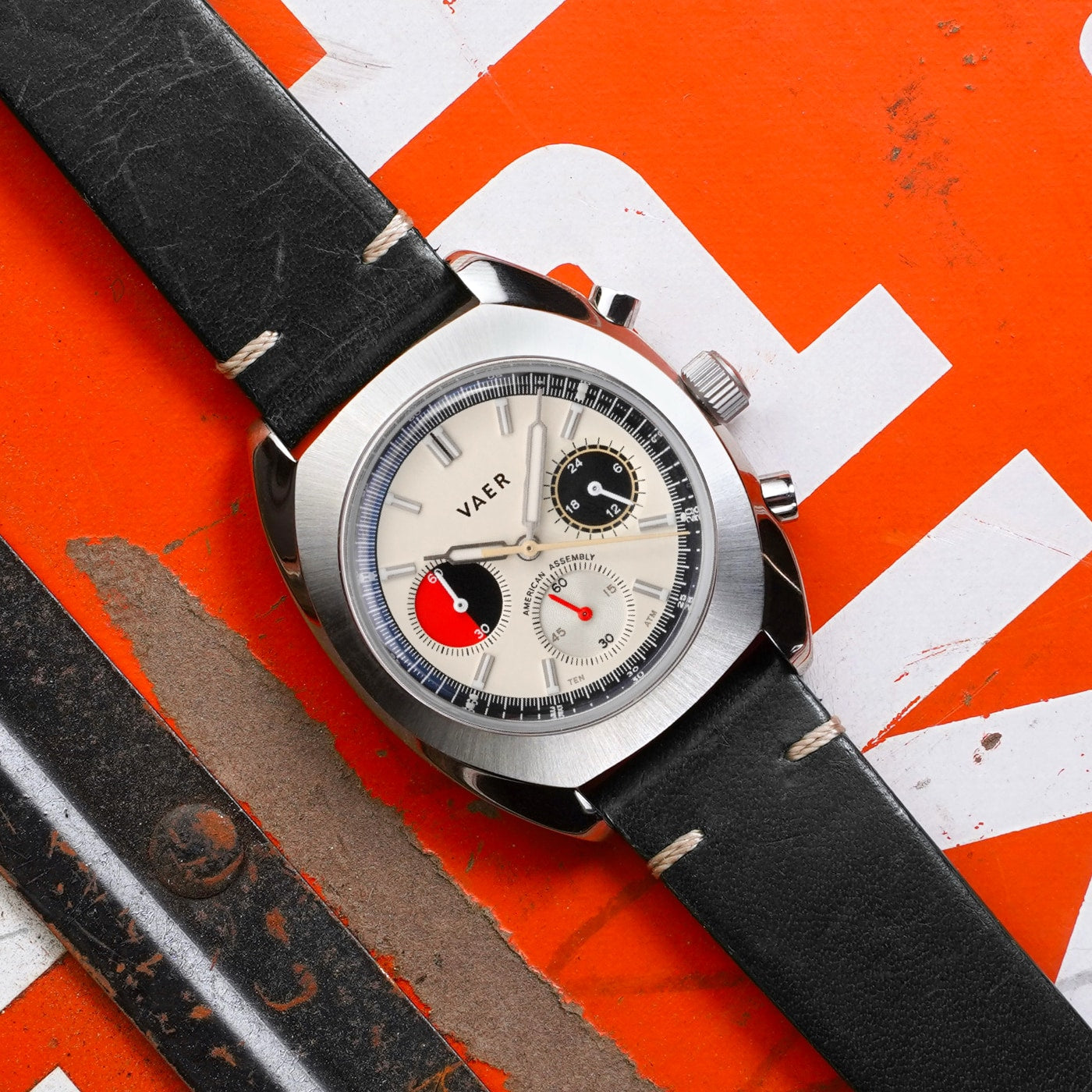
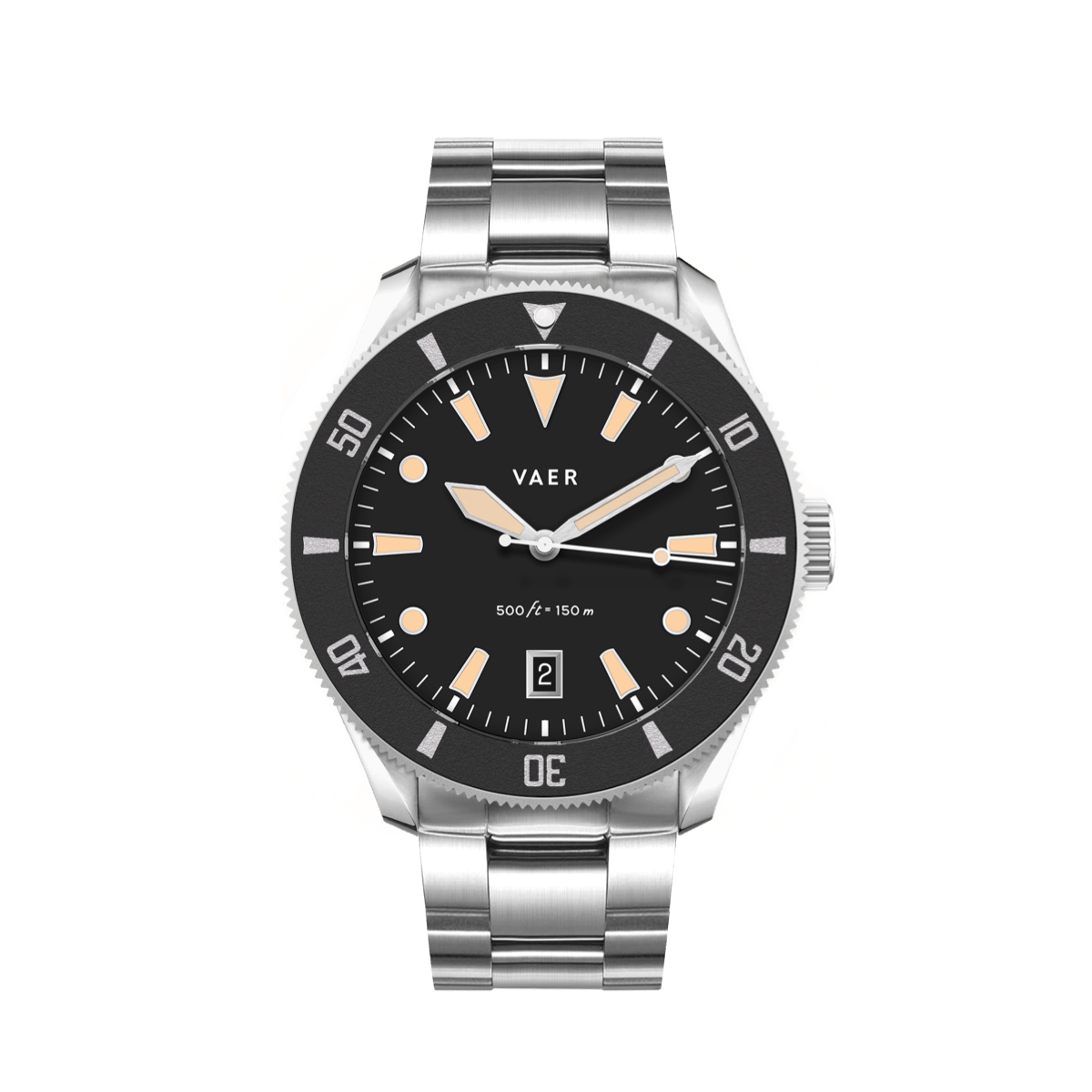
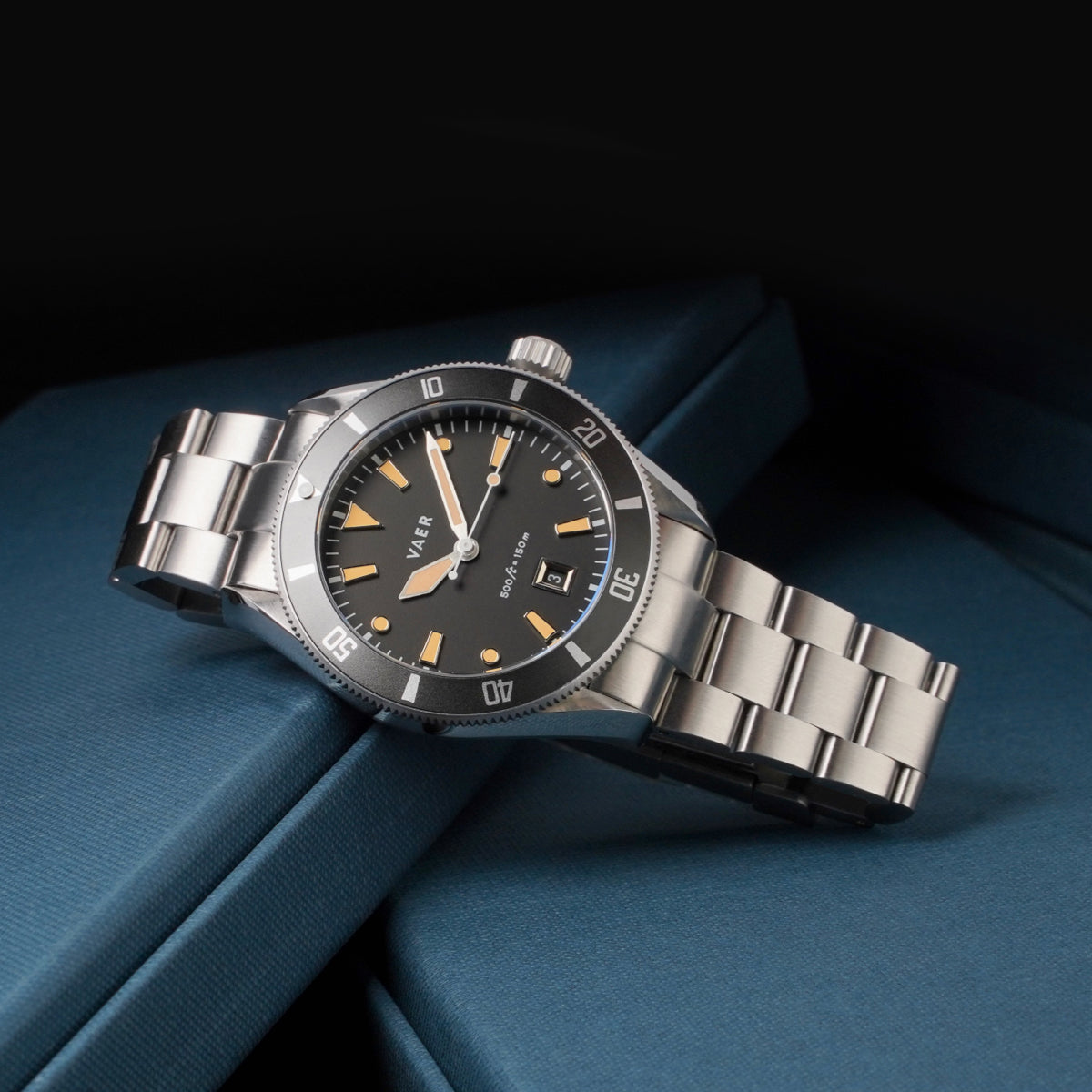
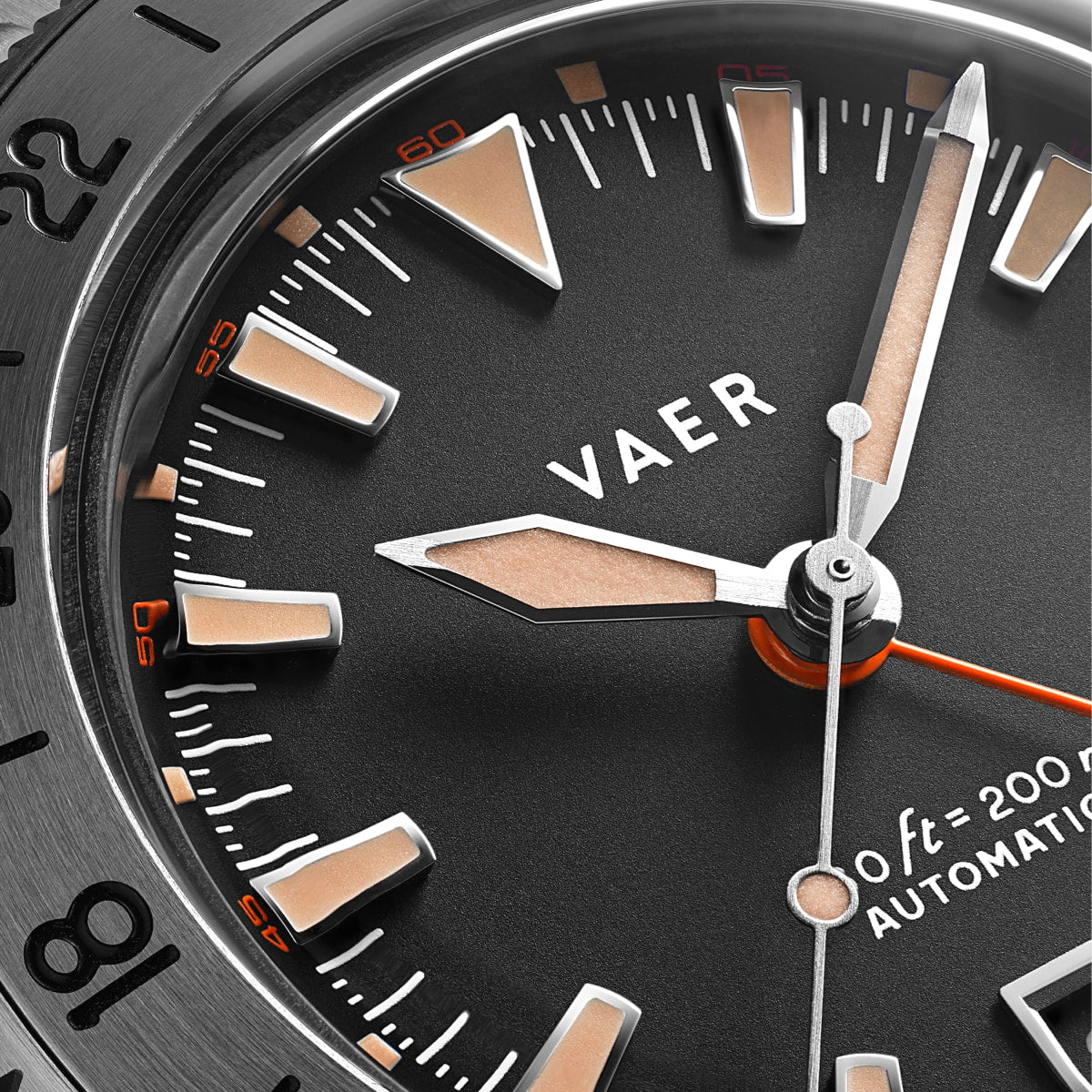
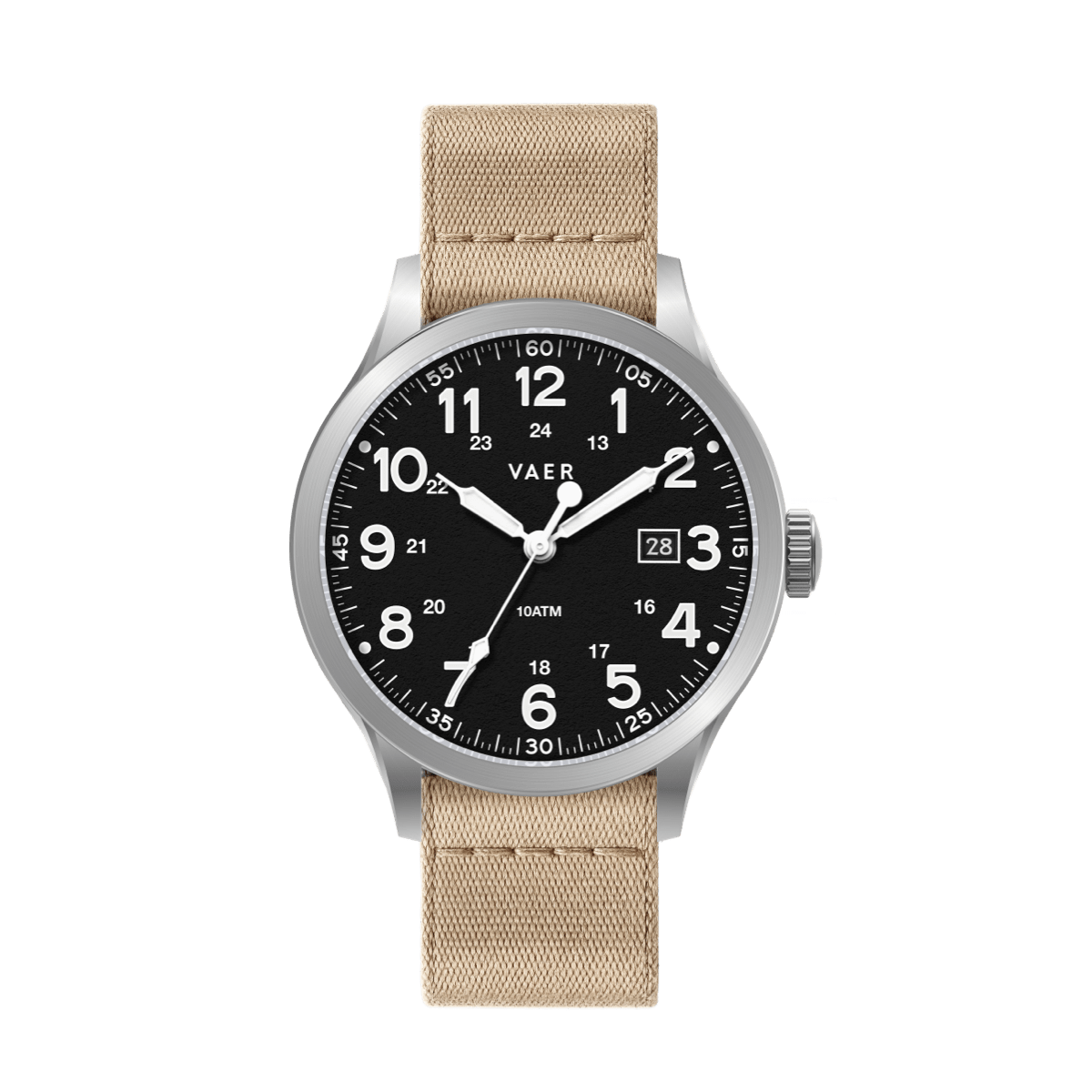
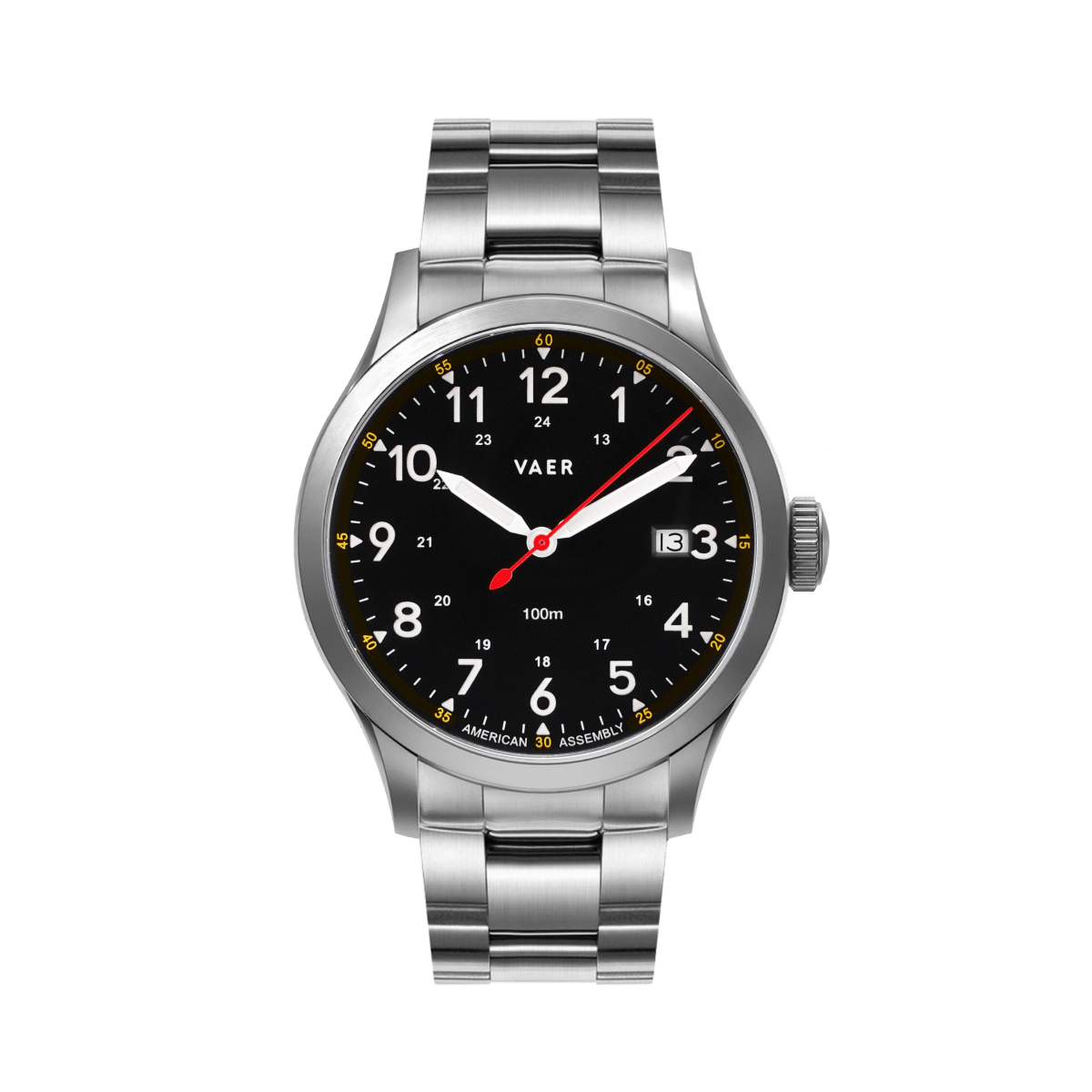
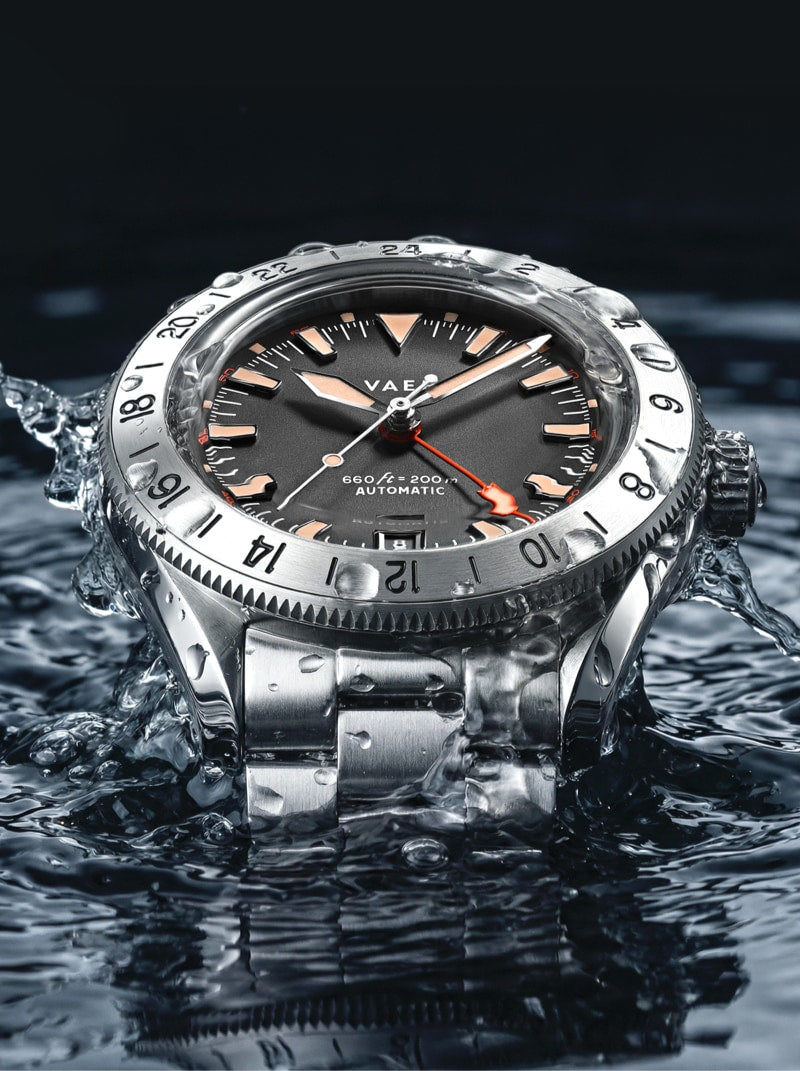
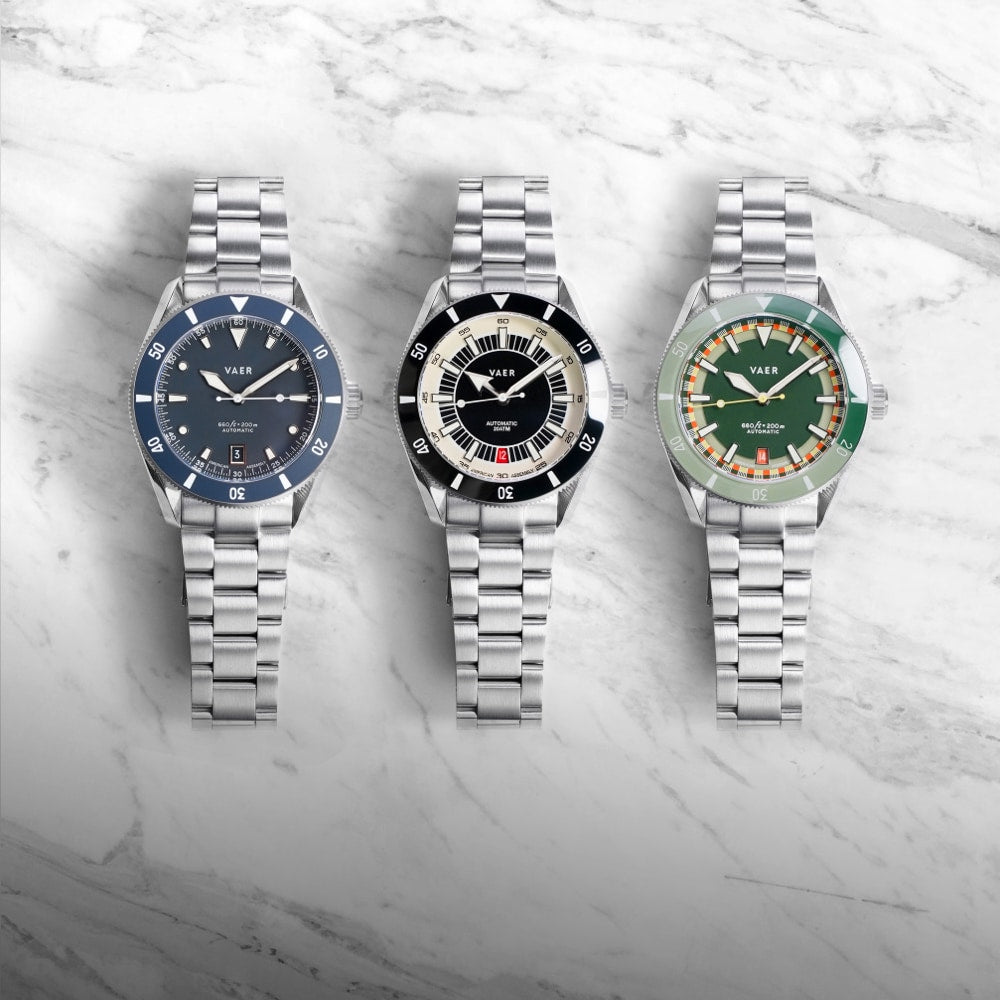
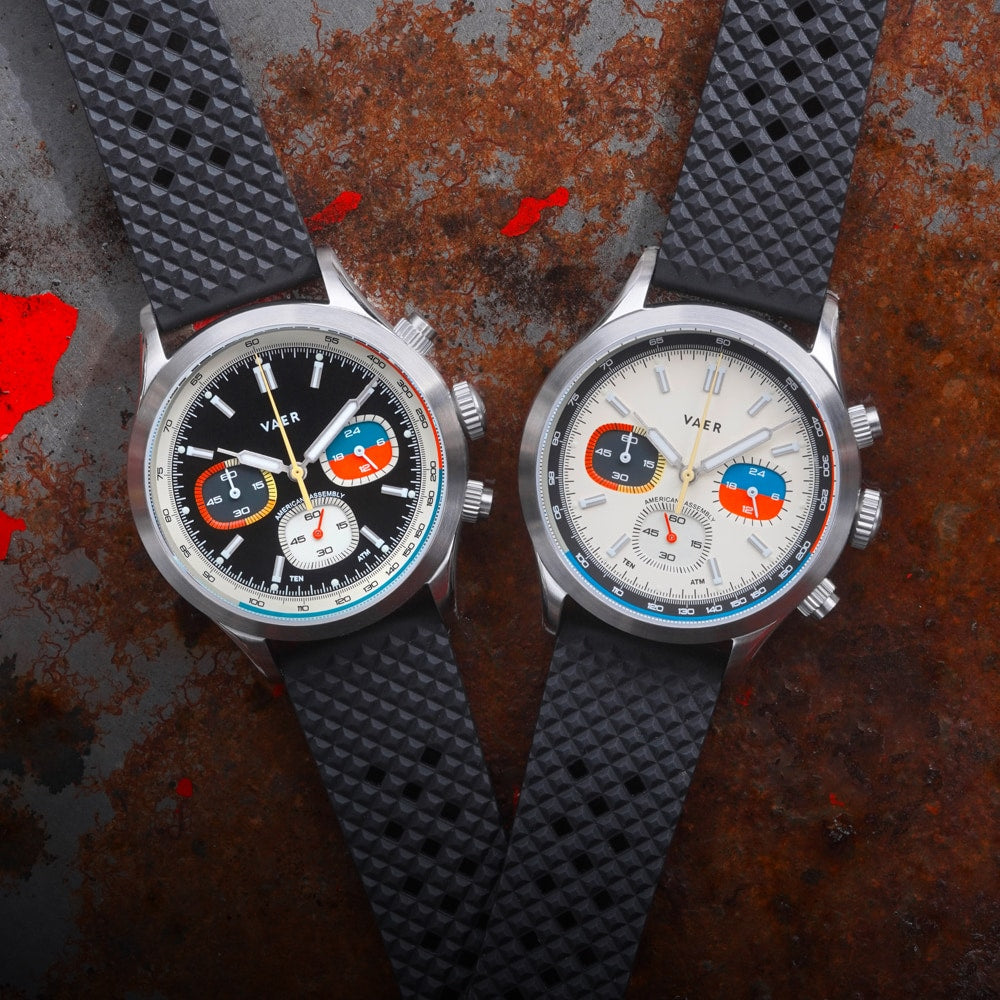
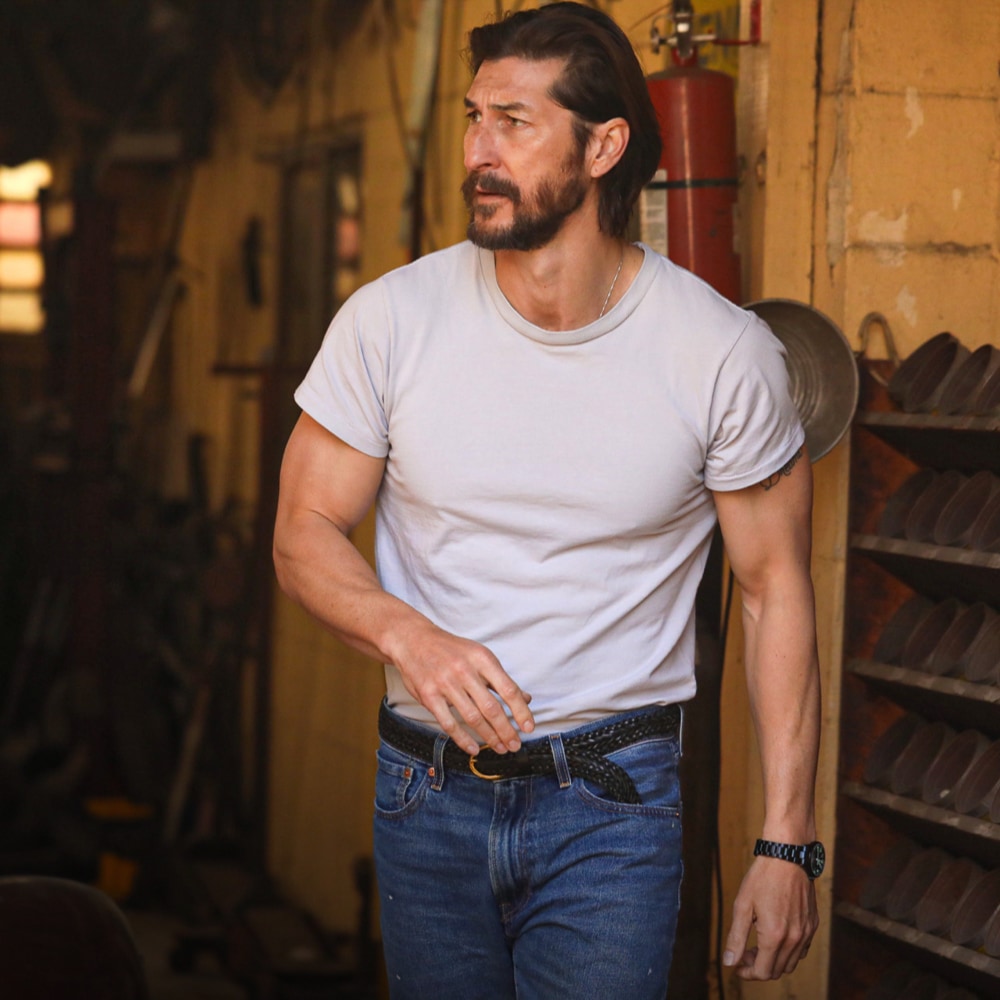
At Vaer, we have always been more interested in watches as functional objects than as precious ones. The most meaningful feedback never comes from a controlled setting. It comes from seeing our watches worn by people who are actually putting them through saltwater, sunlight, impact, long drives, odd schedules, and hard use. Corban has done that for us for a long time. Not ceremonially. Not as a prop. Just as part of his life.
As the film makes clear, there is no artificial line in Corban’s world between work, surf, travel, maintenance, family life, and whatever strange plan emerges next. The same watch might move from the truck to the beach to the boat to dinner without ever becoming the focus of the story. In many ways, that is the ideal context for a Vaer. We want our watches to make sense on people whose lives are active enough that the watch has to keep up, not demand special treatment.
Corban has always represented that kind of wearer.
What also makes White Cap appealing is that it seems to preserve the instability of ocean life rather than edit it away. The best films in this category are not just beautiful. They retain some friction. They leave room for mechanical issues, bad calls, fatigue, laughter, and the fact that the line between sublime and ridiculous is often very thin offshore. “Hectic, sublime, and sometimes hilarious” feels correct here because anyone who has spent real time around boats and waves knows those moods are often separated by minutes, not days.
That instability is not a flaw in the life. It is part of the attraction.
At Vaer, we have long believed that the ocean remains one of the clearest proving grounds for both product and character. It reveals what is durable, and what is performative. Corban has been putting our watches into that environment for years, simply by wearing them as part of his everyday rhythm as a surfer, boater, and waterman. That long relationship means a great deal to us, because it reflects the kind of customer and friend we most value: someone who appreciates design, but ultimately judges gear by whether it holds up in a real life.

In that sense, White Cap is more than a story about a boat.
It is a story about appetite, range, and commitment. About the strange logic of building a life around waves, weather, and motion. And about the people who keep choosing that life, even when it is difficult to explain from the outside.
Corban has been doing that for a long time.
We are proud to see him bring it to the screen.
-
Click here to watch the film.